
BEAUTY & SKIN
THE SKIN'S OWN WATER: HYALURONIC ACID
Restoring moisture to skin that dries out in winter: what hyaluronic acid is, how to use it, and winter care from face to heels.
In November our skin is tested from two sides: cold and wind outdoors, the drying air of central heating indoors. The skin feels tight, make-up won't sit well and fine lines look more visible. This month we take a close look at one of the molecules that plays the most important role in keeping our skin hydrated: hyaluronic acid.
Although it is called an "acid", it neither burns nor peels. On the contrary, it is a gentle, moisturising molecule that already exists in the skin's own structure.
What is hyaluronic acid?
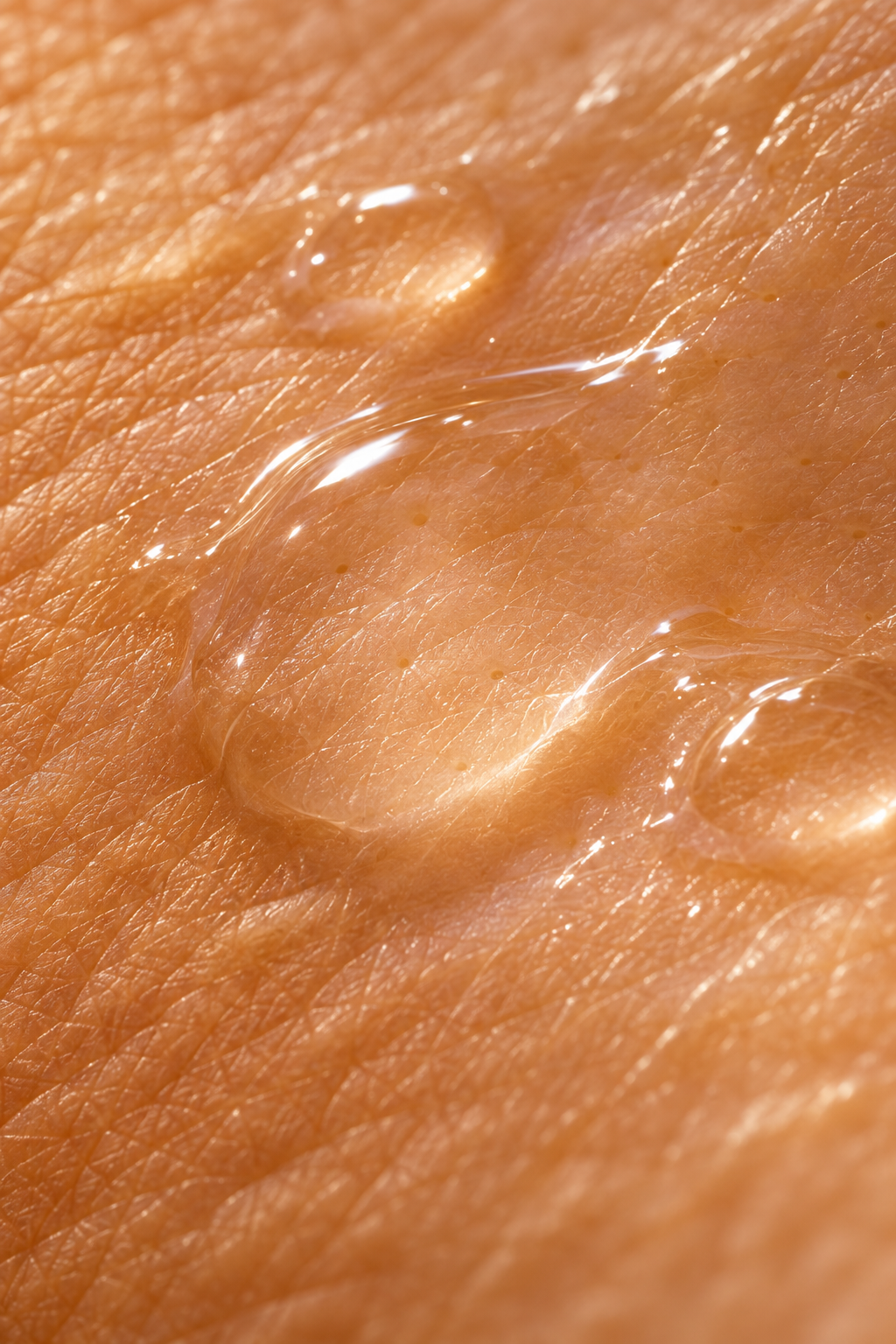
Hyaluronic acid is a molecule found naturally in our body whose job is to hold water. It is present in our skin, our joints and our eyes. Inside the skin it works like a sponge: it draws water in, holds it and helps the skin look plump, supple and smooth.
As the years pass, the amount of hyaluronic acid our skin produces decreases. Sun, dry air and age slowly weaken the skin's ability to hold moisture. In the winter months this loss becomes even more noticeable.
What does hyaluronic acid in a jar do?
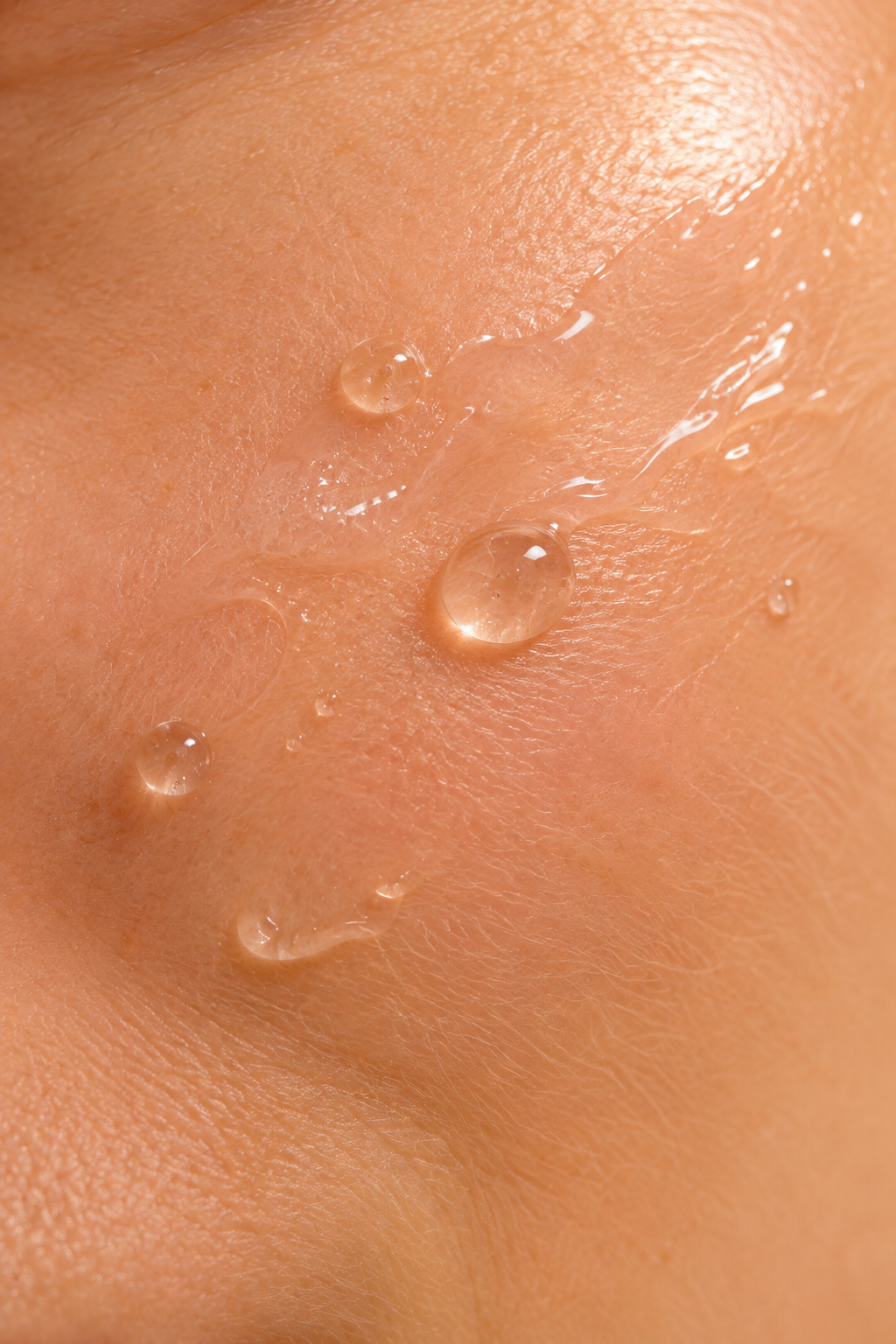
Hyaluronic acid in skincare products draws moisture to the surface of the skin and holds it there. The result is a plumpness, softness and glow that you notice quickly.
Products contain hyaluronic acid molecules of different sizes:
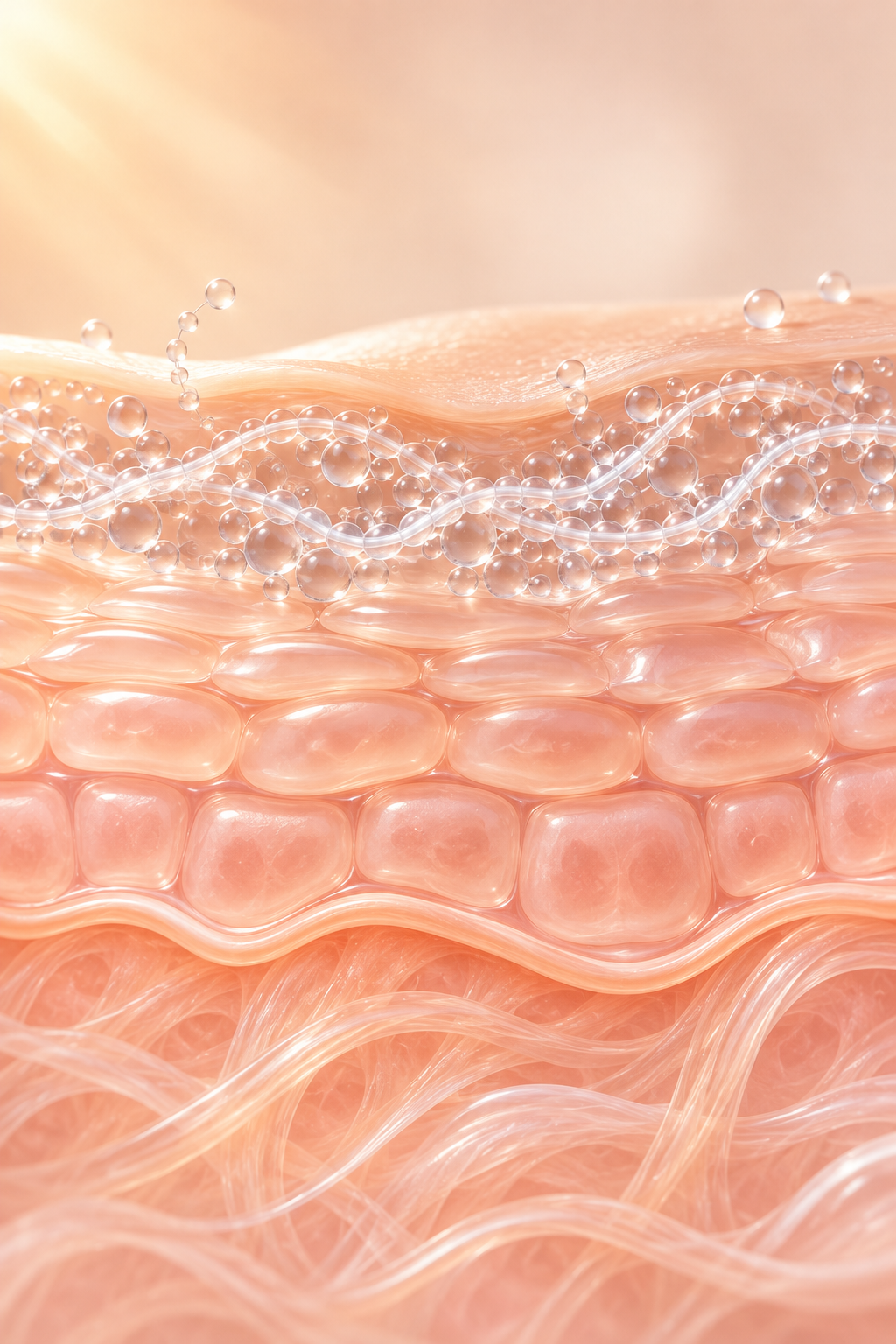
– Large molecules stay on the surface of the skin, form a thin layer of moisture and soften the skin instantly.
– Smaller molecules reach a little further into the upper layers of the skin and support moisture for longer.
– Serums containing more than one molecular weight offer both effects together.
What not to expect from it
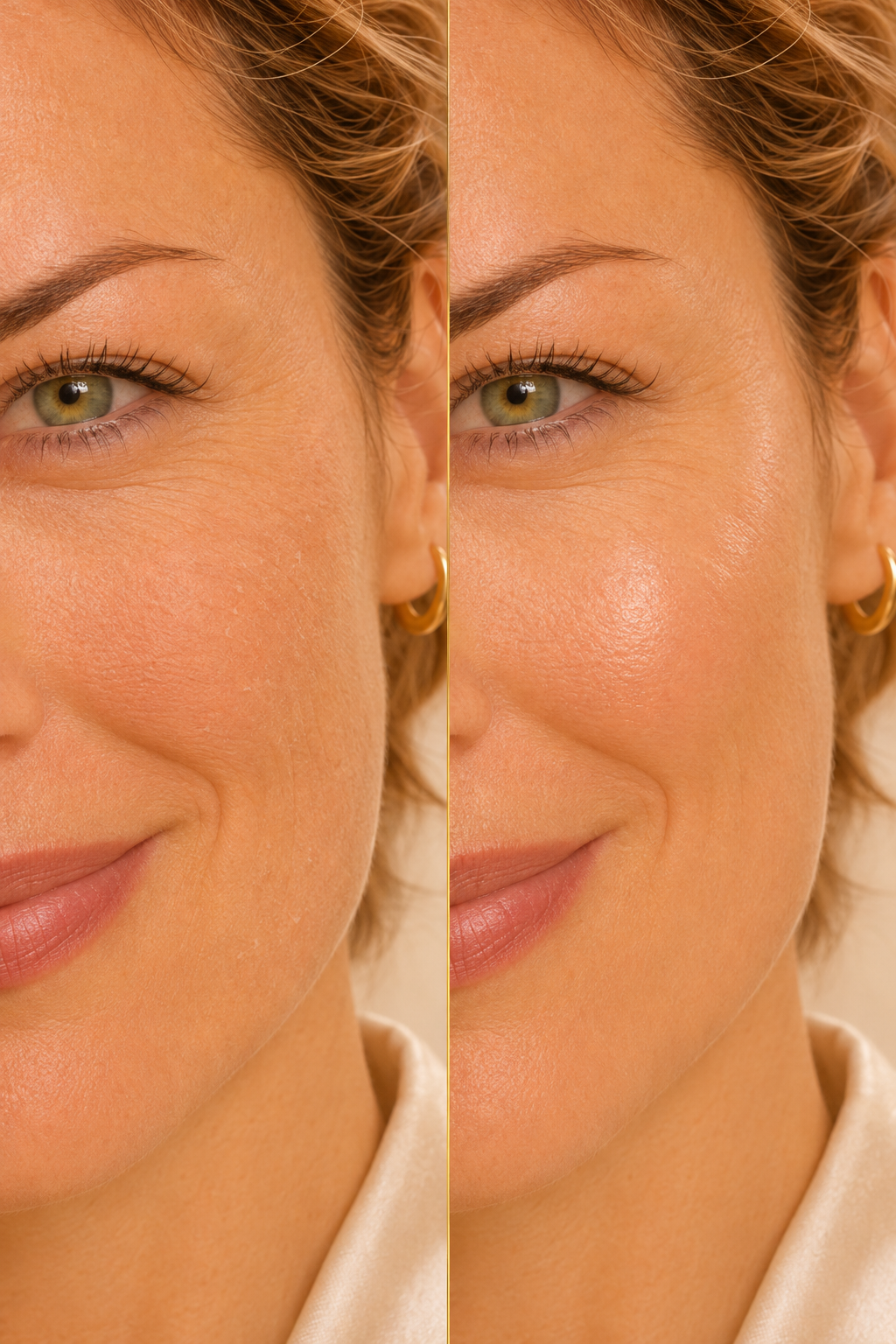
Hyaluronic acid is a powerful moisturiser; but it does not erase wrinkles, rebuild the skin or stop ageing. The plumpness we see comes from the skin being hydrated. Hyaluronic acid fillers used for deep lines or loss of volume are an entirely separate, medical procedure and must be performed only by a doctor.
Using it well in winter: three golden rules
1. The skin must be damp
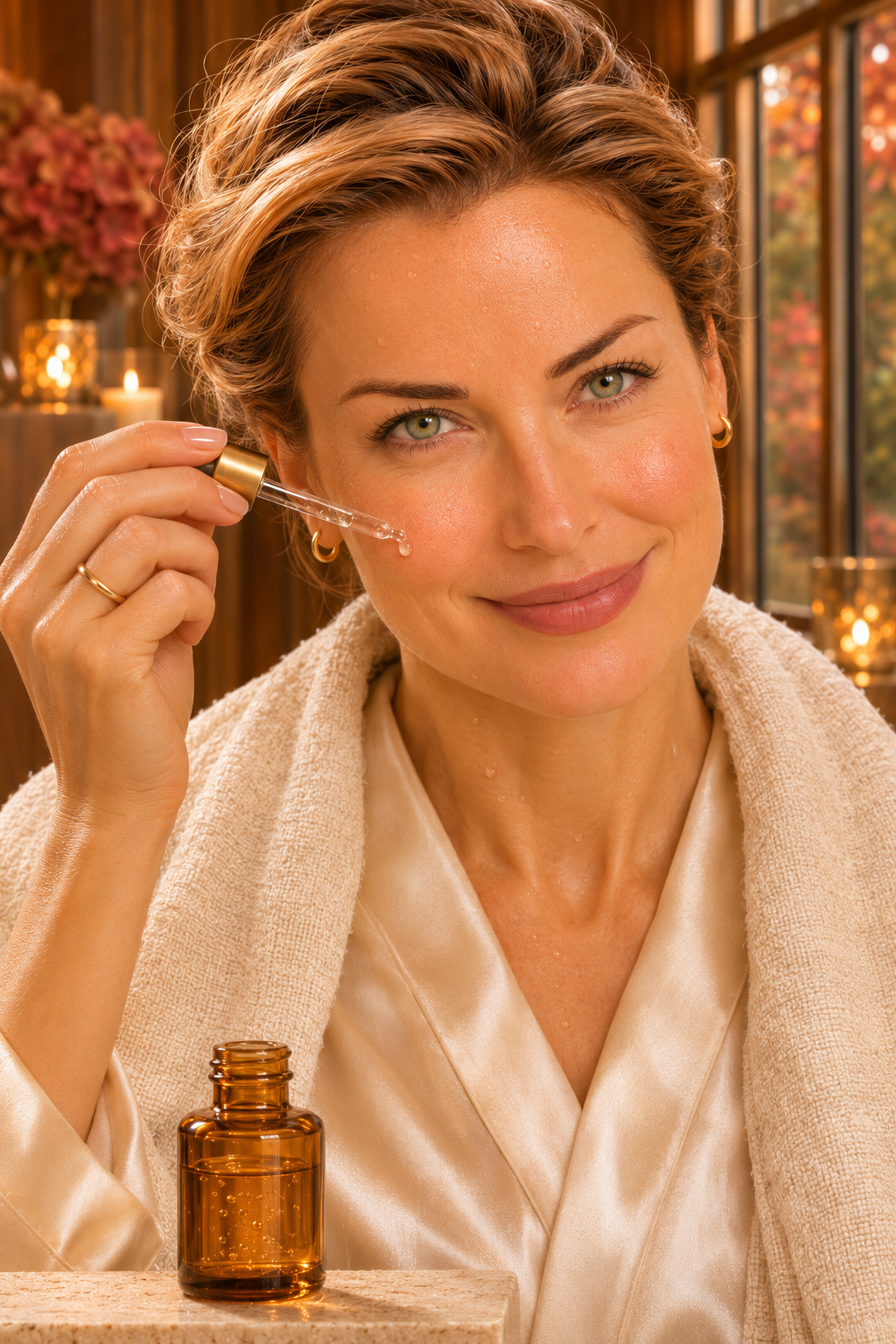
This is the most important rule of hyaluronic acid. Hyaluronic acid is a molecule that can bind and hold many times its own weight in water; but it has to take that water from somewhere. Applied to dry skin, it finds no water to draw. After washing your face, do not dry it with a towel; just pat away the excess water and apply the serum while the skin is still damp. If your face has dried, first spritz a thermal water or toner spray, then apply the serum. The skin should be damp, but not dripping; otherwise the serum runs off your face and its effect is reduced.
2. Always apply a moisturiser on top
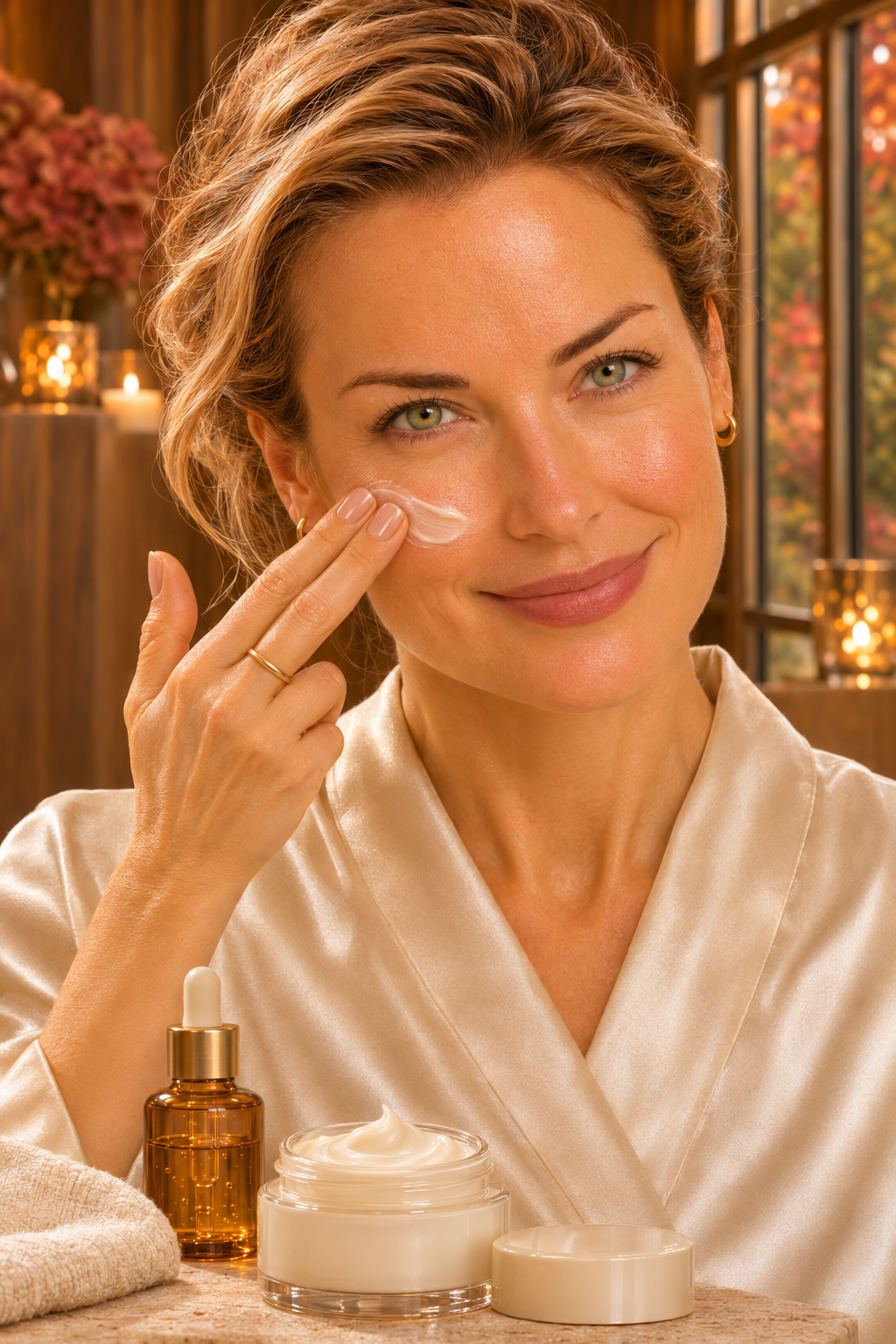
In very dry air, hyaluronic acid left uncovered can give moisture back to the air and the skin may feel tighter. After the serum, apply a cream that will seal the moisture in. Creams with ceramides, shea butter or squalane are a good match in winter.
3. Use a little, but regularly
Two or three drops are enough for the face. Regular use morning and evening is more effective than applying a lot at once.
Which ingredients does it get along with?
– Ceramides: repair the skin's barrier and keep in the moisture that hyaluronic acid draws.
– Niacinamide: supports the skin's balance and barrier; the two can easily be used together.
– Vitamin C: makes a lovely pairing with hyaluronic acid in the morning routine.
– Retinoids: in the retinoid routine you began with our October issue, hyaluronic acid softens dryness. It can be used before or after the retinoid as a hydrating layer.
Not only for the face
– Eye area: lightweight eye creams with hyaluronic acid soften the thin skin around the eyes that dries out in winter.
– Lips: lip care products with hyaluronic acid support moisture against chapping.
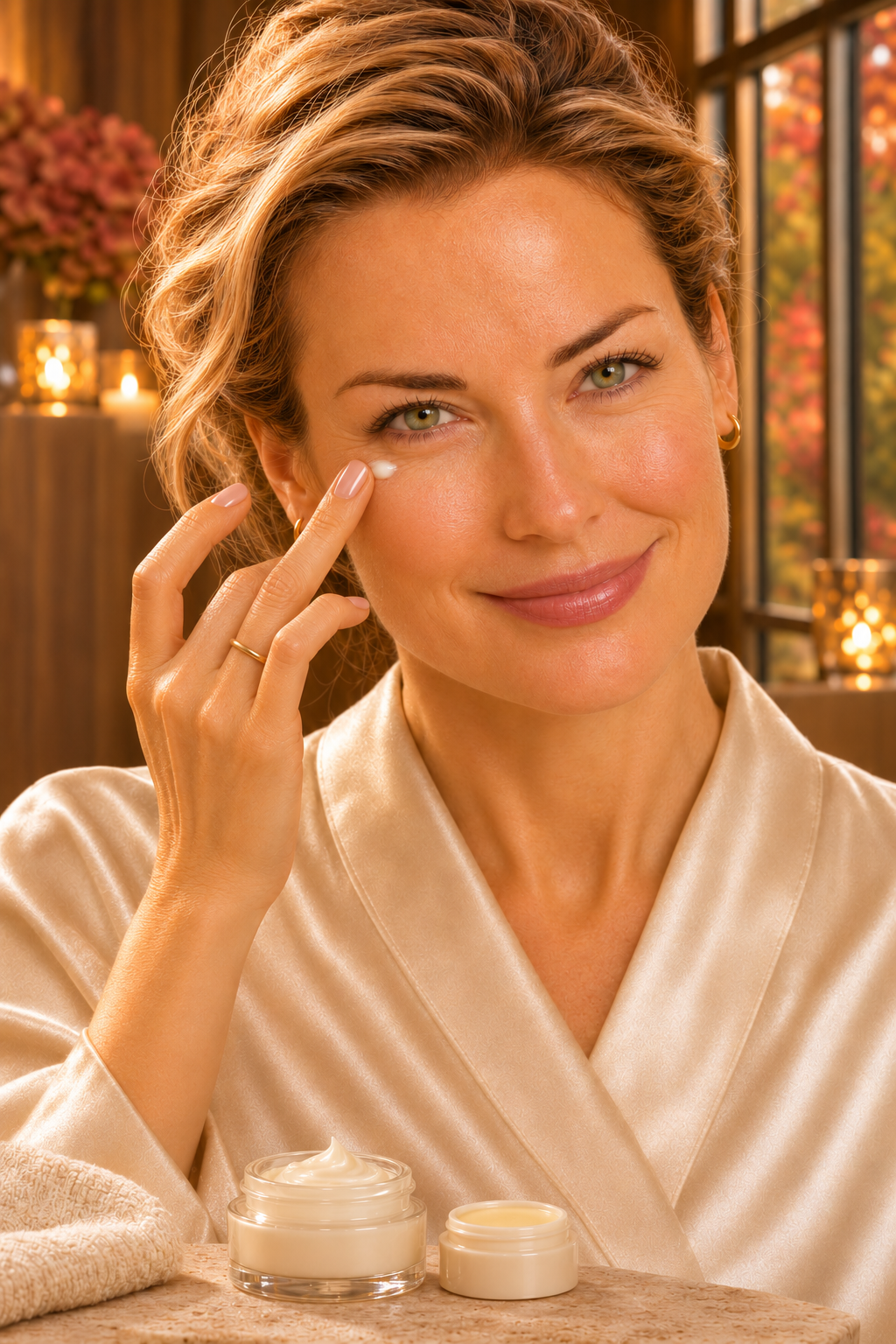
– Neck and décolleté: extend your face serum to your neck and décolleté; these areas get the least attention but lose moisture the fastest.

– Hands: hand creams with hyaluronic acid and glycerin are the best friends of frequently washed hands.
The body's forgotten places: heels, elbows, knees and hands
The first places to signal dryness in winter are often not the face but the heels, elbows and hands. In these areas the skin is thicker, has few oil glands and is under constant friction or pressure. When we give these areas the care we give our face, we can prevent cracking and flaking all winter long.
Heels

– In the evening, soak your feet in lukewarm water for 10 minutes; the skin softens.
– Once or twice a week, gently smooth damp heels with a pumice stone or foot file. Hard, prolonged filing can make the skin thicker.
– While the foot is still slightly damp, apply a rich foot cream containing urea or salicylic acid. Urea both holds moisture and softens hardened skin.
– Put on cotton socks over the cream and sleep in them; by morning your heels will be noticeably softer.
– For deep, bleeding or painful cracks, and for people with diabetes, always consult a specialist for foot care.
Elbows and knees
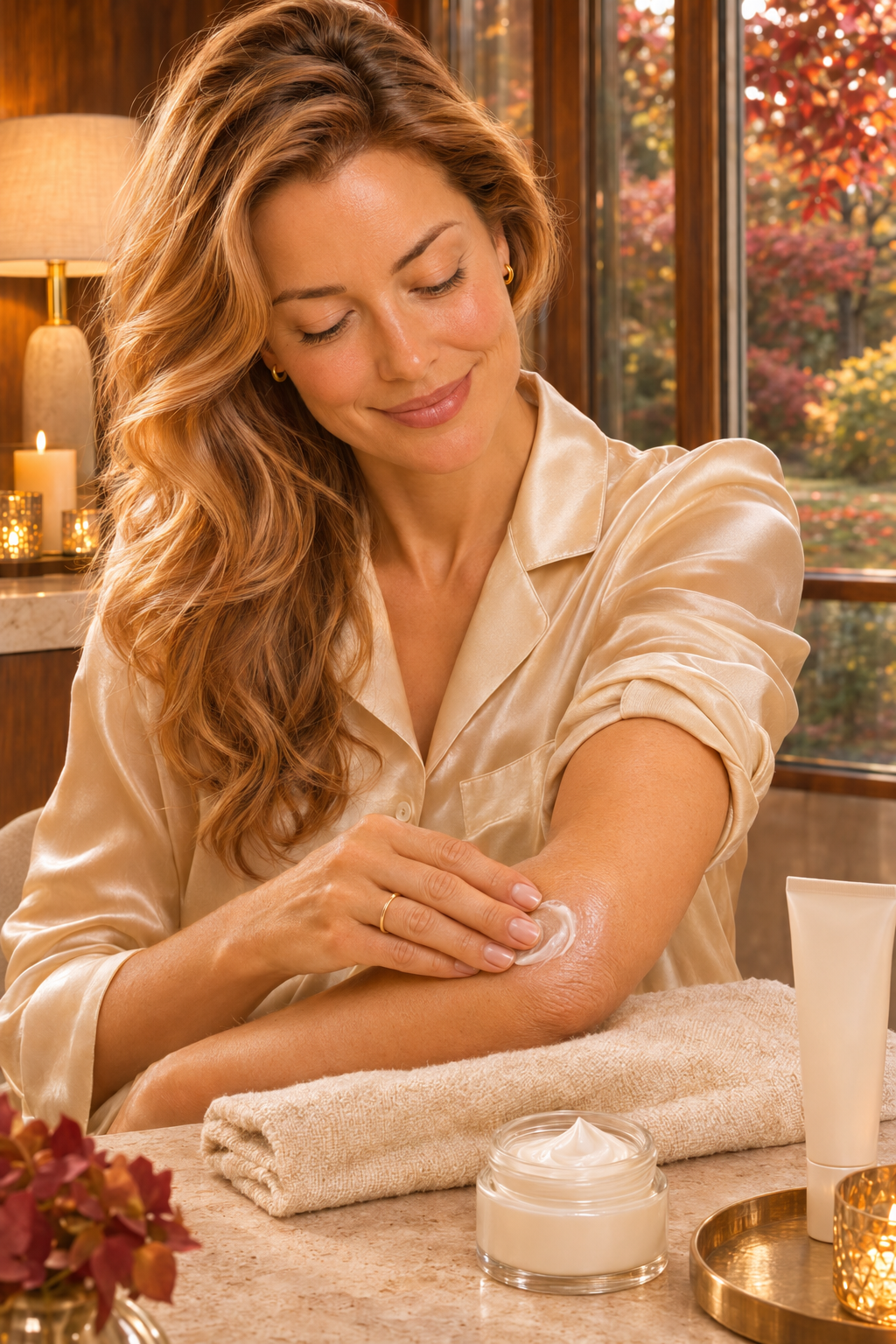
– Once a week in the shower, rub gently with a soft exfoliating mitt or glove.
– When you step out of the shower, apply a rich balm or a urea cream while the skin is still damp.
– Add a few seconds for elbows and knees to your evening routine; regular use gradually softens a darkened, rough look.
– Constantly leaning your elbows on a table or the arm of a chair hardens this area; a small change of habit is also part of care.
Hands

– After every hand wash, apply hand cream while your hands are still slightly damp.
– Wear gloves when you go out; cold and wind dry the hands faster than anything else.
– Use rubber gloves when washing up and cleaning.
– One evening a week, apply a thick layer of cream to your hands and sleep in cotton gloves.
– Hand creams with hyaluronic acid, glycerin and shea butter are a good choice in winter.
In this issue's Zarif Formulas section you will find a hand cream and a lip balm you can make at home.
Choosing the right product
– Prefer short, simple ingredient lists.
– Hyaluronic acid appears on ingredient lists as "sodium hyaluronate" or "hyaluronic acid".
– Serums with alcohol and heavy fragrance can dry winter skin even more.
– Expensive does not mean more effective; a simple formula and regular use matter more.
The air at home is part of your skin too
Hyaluronic acid works with the moisture around it. In a room dried out by central heating, even the best serum struggles. Using a small humidifier in the bedroom, airing the room regularly and drinking enough water throughout the day support your skin's moisture balance not from the outside but from within.
A MOISTURE ROUTINE FOR NOVEMBER
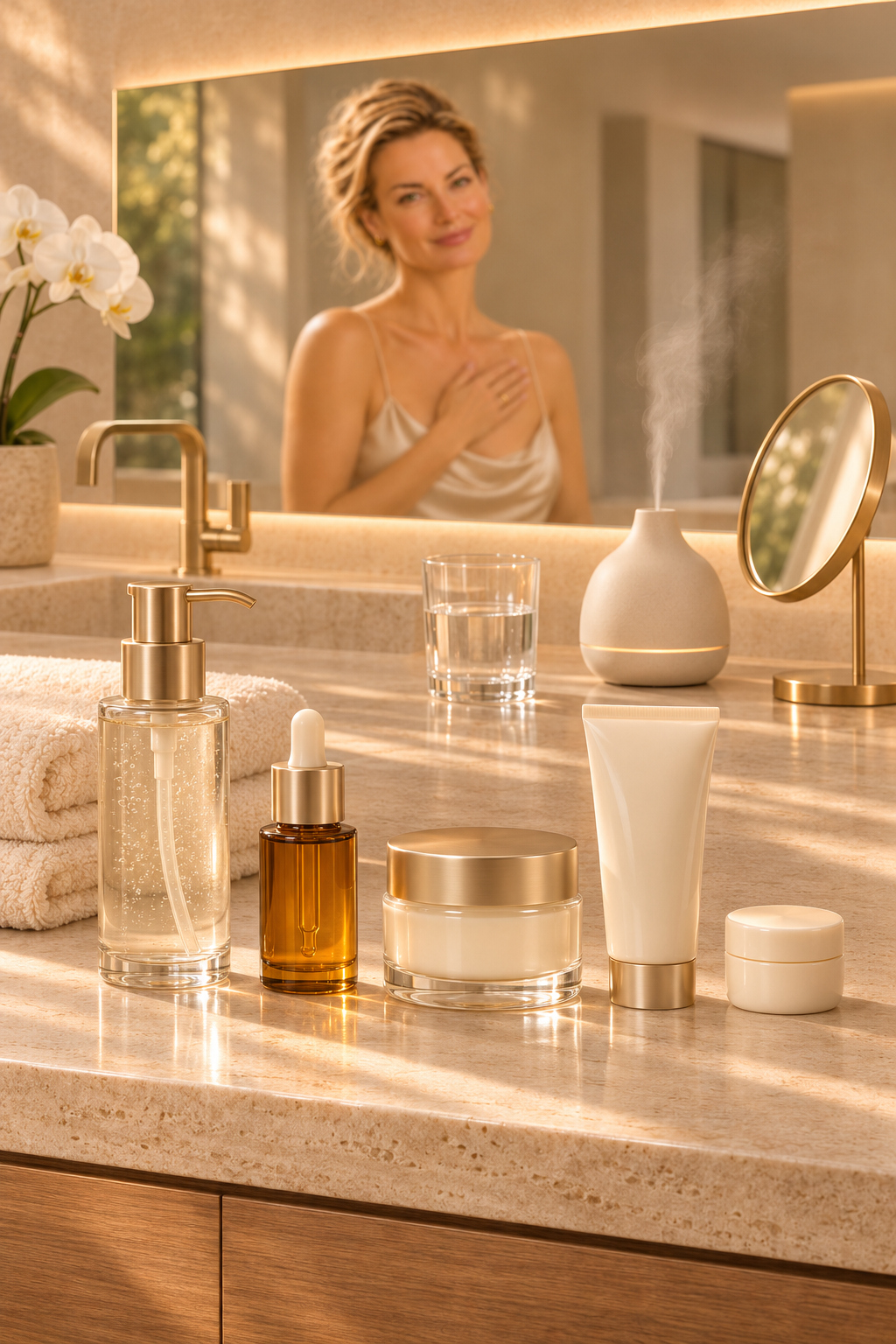
Morning:
– A gentle cleanser
– Hyaluronic acid serum on slightly damp skin
– Vitamin C (if you use it)
– Moisturiser
– Sunscreen (in winter too)
Evening:
– Cleansing
– Hyaluronic acid serum on slightly damp skin
– Retinoid (if you started in October, on the evenings you have set each week)
– A richer cream with ceramides
– Lip care
– Rich cream on hands, elbows and heels; cotton socks on the heels
Once a week:
– A foot soak and light filing of the heels
– A gentle exfoliation for elbows and knees
– Hand care with overnight cream and cotton gloves
Note: This article is for general information only. In cases such as sensitive skin, eczema, rosacea or allergies, consult your dermatologist before starting a new product. Always test each new product on a small area first.
ZARİF BEAUTY NOTE
Like a garden, the skin stays alive as long as it can keep its moisture. This winter, give your skin not miracles but simplicity and routine: damp skin, two drops of serum, a cream applied with care on top… Radiance comes most of all with patience.