By Ferry, On Foot, By Tram: Discovering the City at Its Own Rhythm
"The most beautiful way to get to know Istanbul isn't cutting through traffic — it's blending into the city's own rhythm."
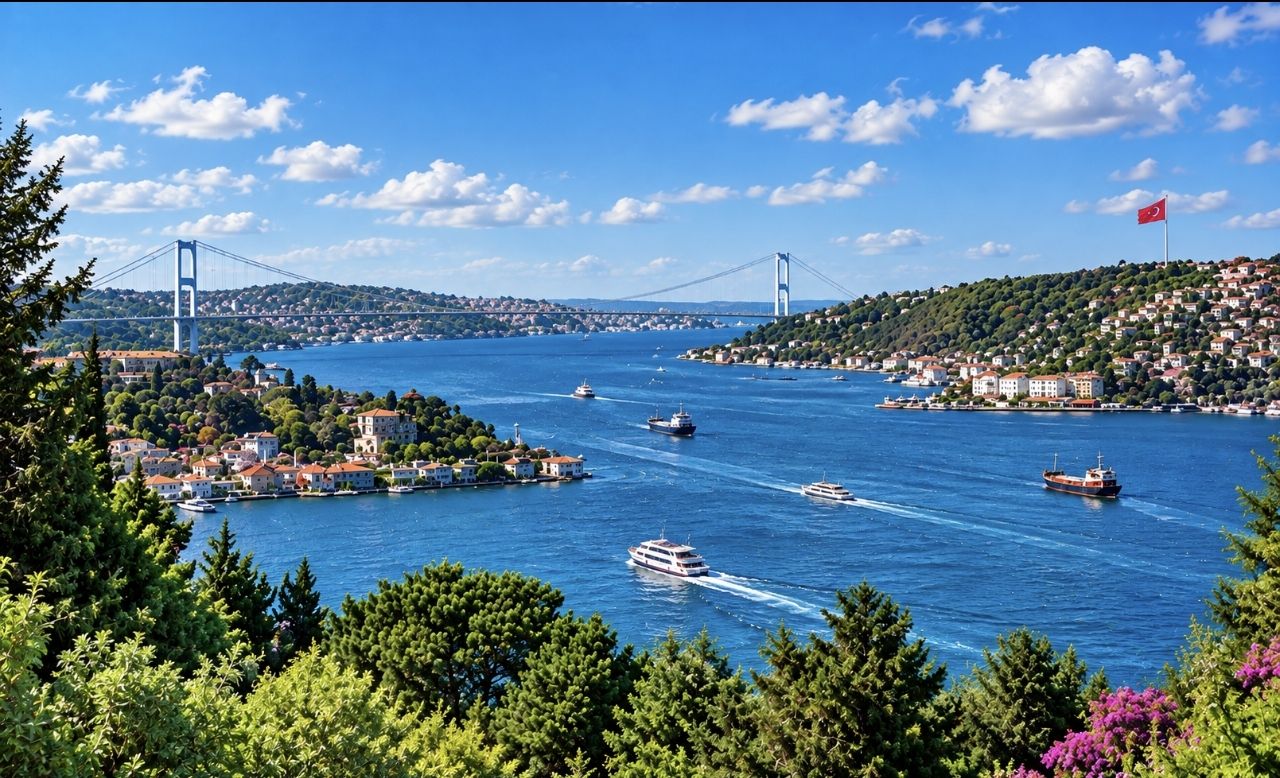
The Bosphorus' two continents: bridges, coves, and September's still blue.
September is one of Istanbul's most elegant times.
Summer hasn't fully receded yet. The Bosphorus is still blue; sitting on the open deck of a ferry, having a long lunch by the sea, escaping to the Princes' Islands, and walking the streets in the early evening — all of it still carries summer's pleasure.
But the heavy heat of July and August slowly begins to ease. Mornings are fresher, evenings a little cooler. The city invites you, once again, to walk, to explore, and to simply watch, unhurried.
If this is your first time in Istanbul, don't try to see it only through a car window. Because here, transport is sometimes the journey itself.
The metro carries you from one end of the city to the other. The tram runs through historic Istanbul. Marmaray connects the two continents by rail. And the ferry is something else entirely. The moment you step onto a ferry, your Istanbul journey has already begun.
Welcome to Istanbul
You've Landed. Now What?
Istanbul has two major international airports: IST — Istanbul Airport (on the European side) and SAW — Sabiha Gökçen International Airport (on the Asian side).
Before choosing your transport, find out which neighbourhood your hotel is in. Because Istanbul doesn't have a single "city centre." Sultanahmet, Taksim, Galata, Beşiktaş and Kadıköy may all be in the same city, but they're quite different points in terms of getting around.
If You've Landed at IST — Istanbul Airport
You have three main options for reaching the city: the metro, the airport bus, and taxis. Which is best depends on your hotel's location, your arrival time, your luggage, and the level of comfort you're after.
Metro: Istanbul Airport is connected to the rail network via the M11 line. Visitors heading toward Taksim, Şişhane, Galata and Beyoğlu can use this connection, which offers a real advantage during heavy traffic hours. But making several transfers with two large suitcases isn't always the most comfortable option.
Airport Bus: Havaist shuttle services run to different parts of the city. If your hotel is close to one of the routes, this can be more practical than transferring on the metro with luggage.
Taxi and More Comfortable Options: You don't have to use public transport after a long flight. If you have large suitcases, are travelling with children, or land late at night, going straight from the airport to your hotel by taxi is an entirely reasonable choice. The rule is simple: use the airport's official taxi ranks and signage.
A long flight + large suitcases + your first day in Istanbul… Once you've dropped off your luggage, step out of the car; start living Istanbul on foot and by public transport.
If You've Landed at SAW — Sabiha Gökçen Airport
Metro: SAW is connected to Kadıköy via the M4 line. If you're heading to the European side, you can transfer to Marmaray at Ayrılık Çeşmesi, or continue to Kadıköy and board one of Istanbul's loveliest transport options — the ferry.
Airport Bus: Shuttles are available to central points such as Kadıköy and Taksim. Taxi: If you've had a long flight, have a lot of luggage, or simply want door-to-door transport, a direct taxi is more comfortable — again, choose only official taxi services.
Istanbulkart: You've Dropped the Suitcases — Now the City Is Yours
The Istanbulkart is the core payment tool for the city's integrated public transport; it can be obtained and topped up at Biletmatik machines. All you need to remember is this:
Metro — for long distances.
Tram — especially useful in the Historic Peninsula.
Marmaray — a fast rail crossing between the two shores.
Funicular and Tünel — small but valuable helpers on steep hills.
Ferry — both transport and an Istanbul experience in itself.
Walking — the way to discover the city's real details.
A small warning: Istanbul is hillier than it looks on a map — especially around Galata. Comfortable but stylish walking shoes are one of the most valuable items in an Istanbul suitcase.
Day 1 — Historic Istanbul
SULTANAHMET · HAGIA SOPHIA · TOPKAPI · BASILICA CISTERN · EMİNÖNÜ · THE SPICE BAZAAR
Get up early on your first morning. Seeing Istanbul's historic centre in the calmer hours of the morning is lovely — not only to avoid the crowds, but to truly feel the city's atmosphere.
Start at Sultanahmet Square. Hagia Sophia on one side, the domes of the Sultanahmet Mosque on the other… For a few minutes here, forget your to-do list; because Istanbul's Roman, Byzantine and Ottoman periods touch one another in this very same area.
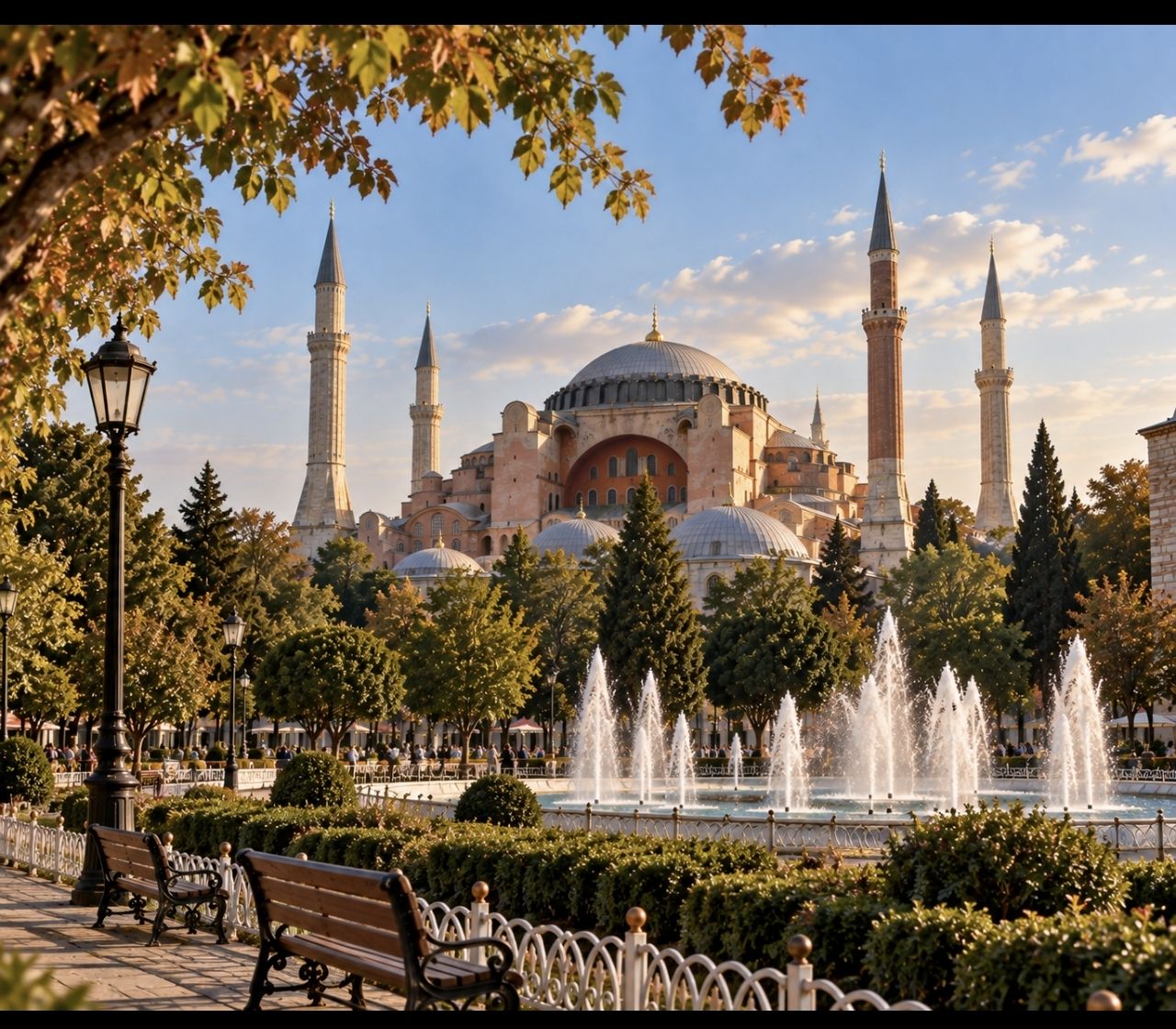
Hagia Sophia, beyond the fountains of Sultanahmet Square.
From there, move on to Topkapı Palace. Its courtyards, pavilions, collections and views opening onto the Bosphorus are worth setting aside a few hours for. Here you'll also start to better understand Istanbul's geography: the Bosphorus on one side, the Golden Horn on the other, and Galata on the far shore…
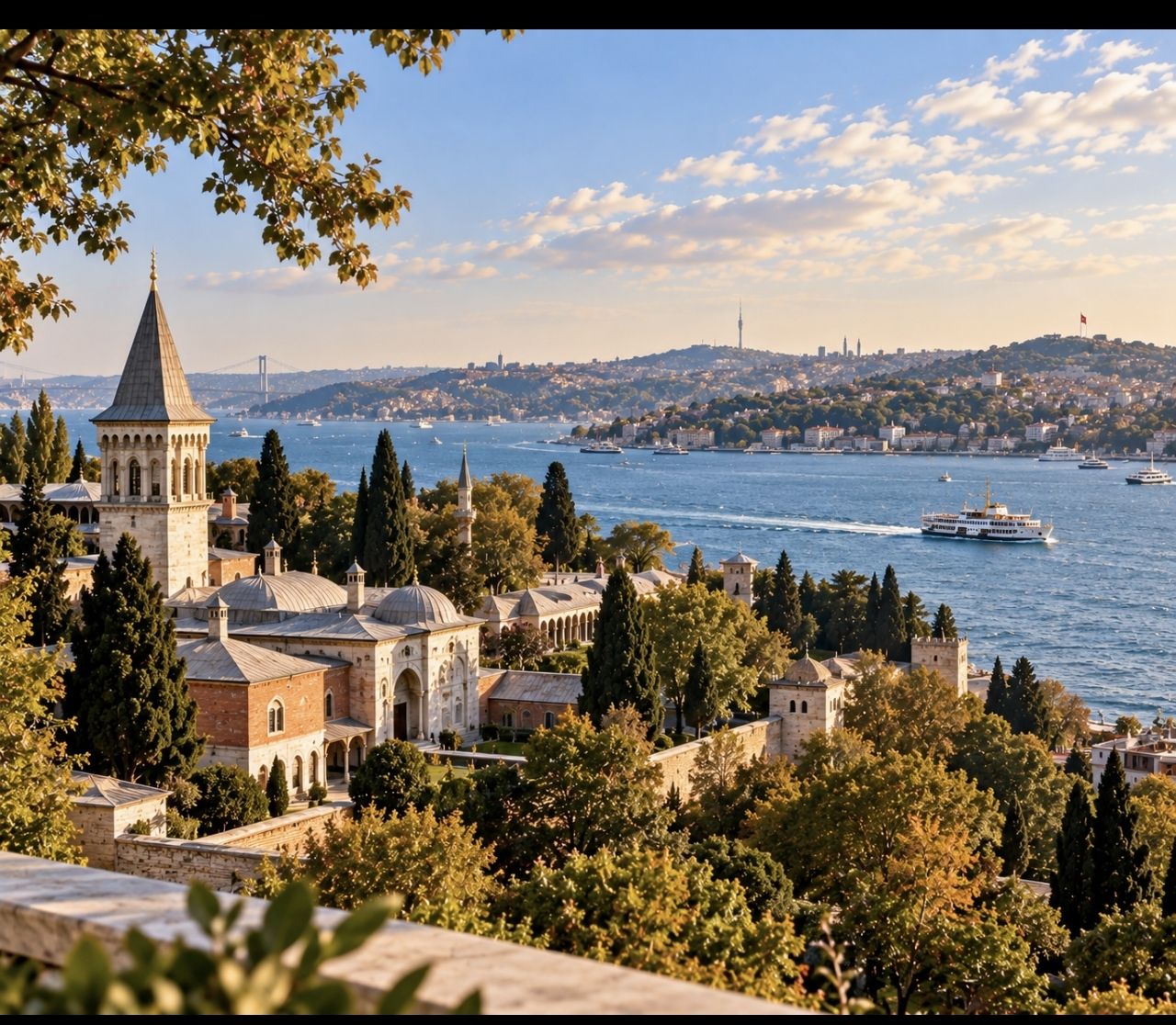
The view from Topkapı Palace, opening onto the Bosphorus.
Then head down to the Basilica Cistern. Just a few metres below the crowds above, the sound of Istanbul changes. Among the columns, the water and the reflections, you'll encounter an entirely different layer of the city.
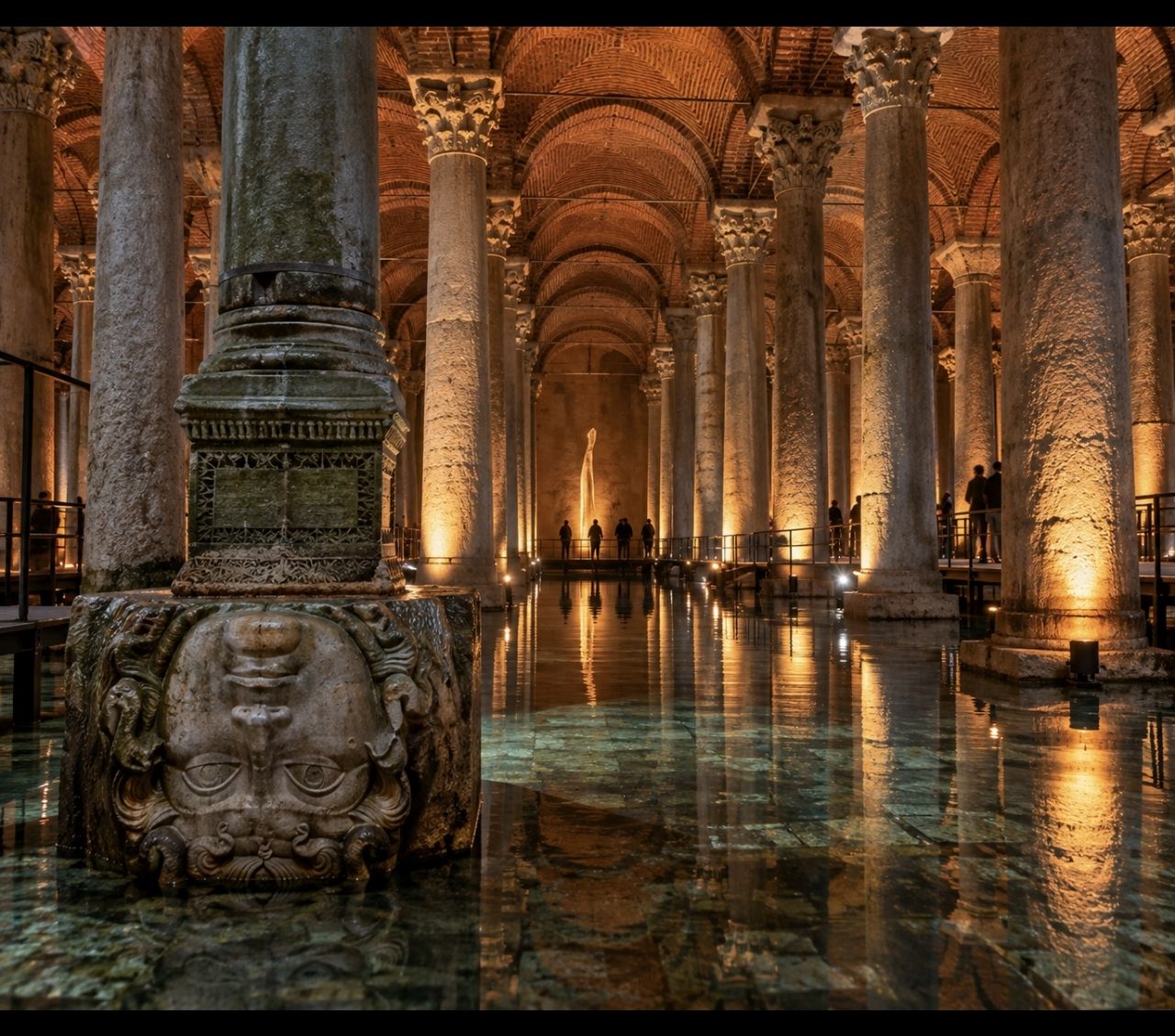
The Basilica Cistern — columns, water, and reflections.
The Spice Bazaar: Follow Istanbul's Scents
After Sultanahmet, make your way toward Eminönü. Here, you move from the Istanbul of palaces to the Istanbul of trade and everyday life. Step into the Spice Bazaar.
Spices… Turkish delight… Teas… Dried fruit… Colours and scents…
But don't try to buy everything you see. Sometimes the loveliest way to truly get to know a bazaar is to forget the shopping list and simply walk. Then head out toward Eminönü and walk toward the sea.
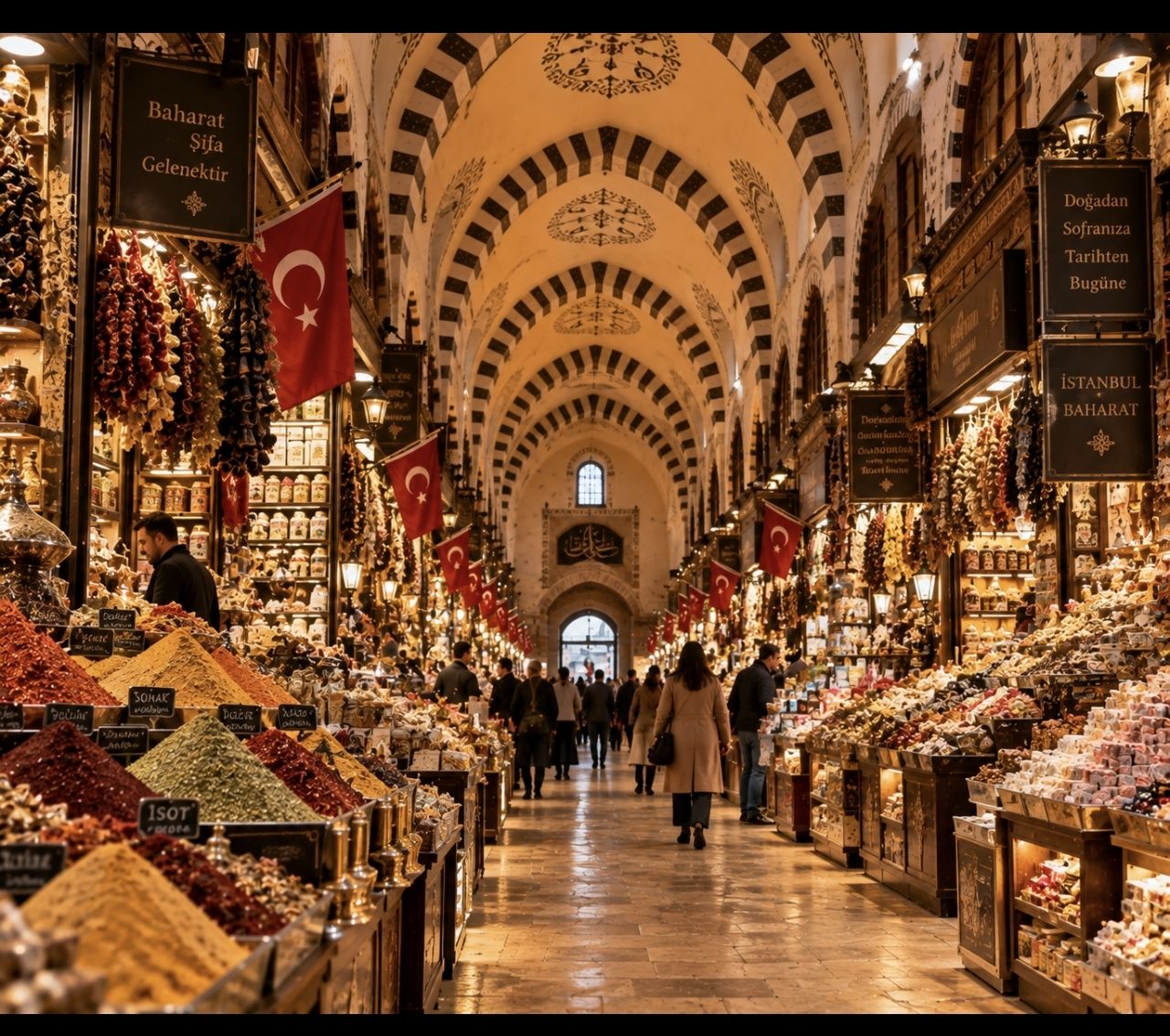
The Spice Bazaar — spices, Turkish delight, and September light.
The Bosphorus
DON'T LEAVE ISTANBUL WITHOUT GETTING OUT ON THE WATER
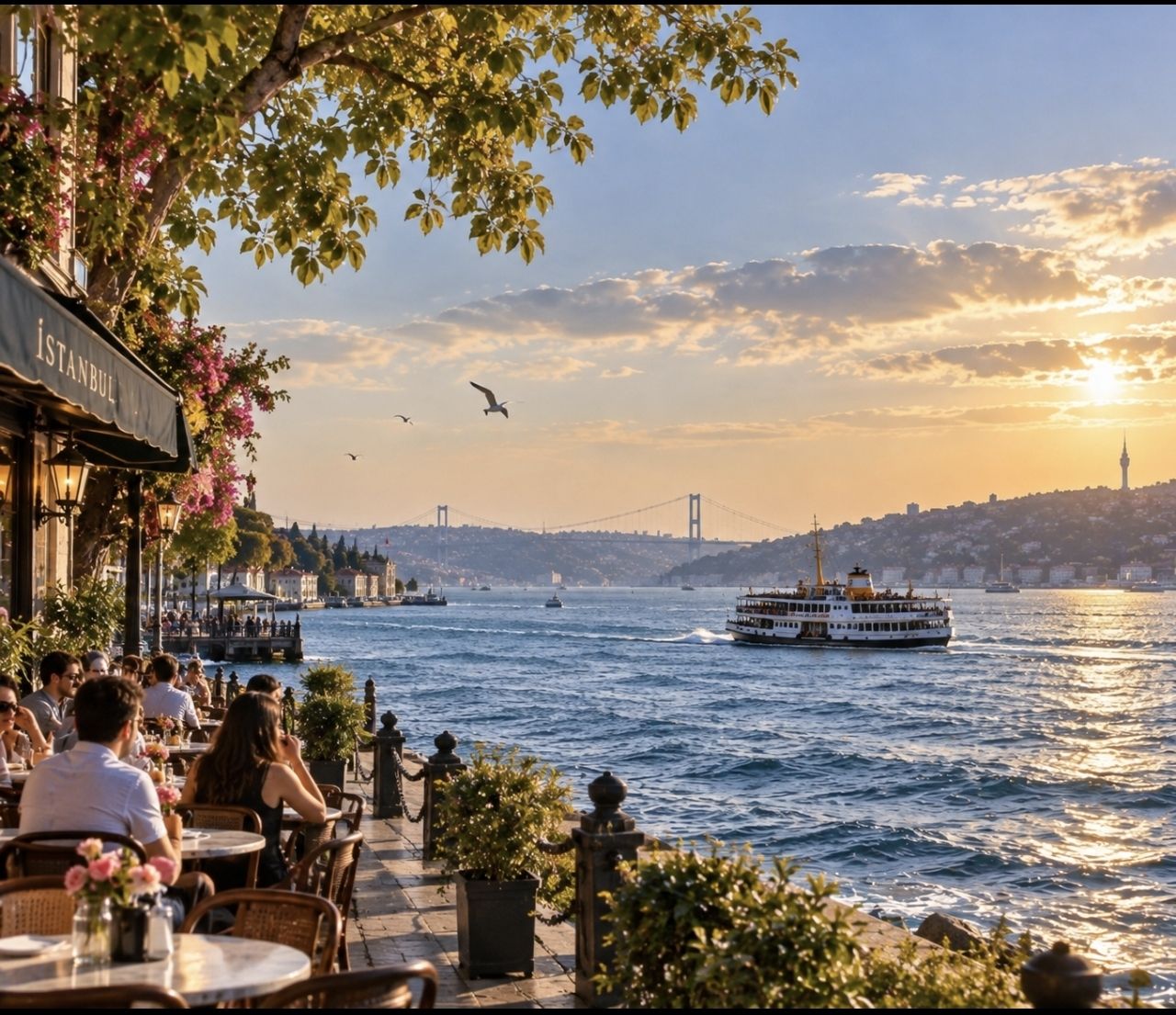
An afternoon on the shore of the Bosphorus, as ferries pass by.
If Zarif Yaşam has just one "must-do" recommendation for Istanbul, it's this: get out onto the Bosphorus.
Seen from land, Istanbul's palaces, waterside mansions, hills, mosques, bridges and two continents appear in fragments. Once you're out on the water, the city becomes whole for the first time.
You can make use of Şehir Hatları's regular ferry services, or consider a short or long Bosphorus tour. But you don't have to take a special tour at all — sometimes an ordinary city ferry is enough.
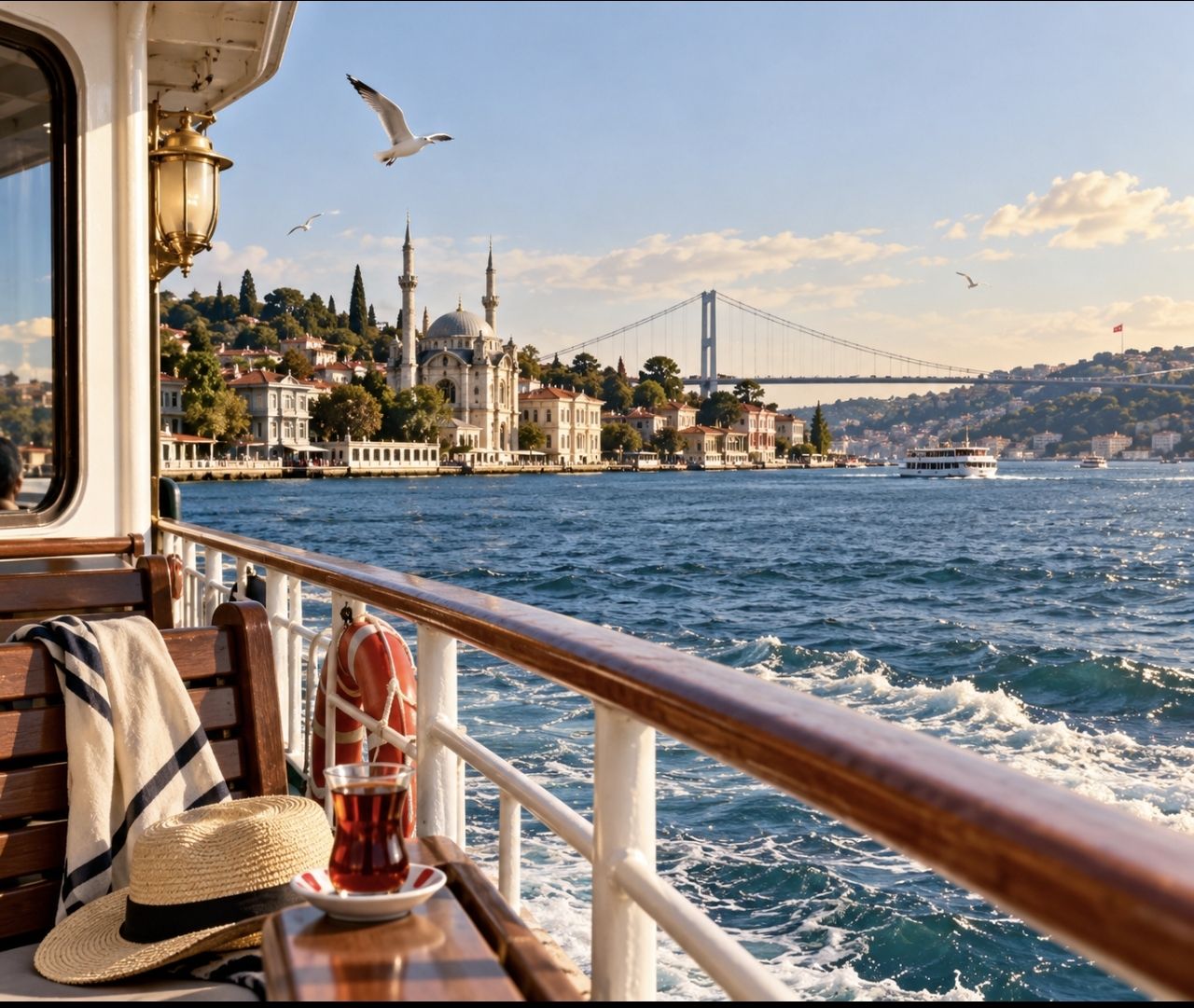
A glass of tea on the open deck, Ortaköy Mosque and the bridge in the background.
Go up to the open deck. Get a tea. Put your phone away for a few minutes. Watch Dolmabahçe, Ortaköy, the Bosphorus bridges, the waterside mansions, Rumeli Fortress, and the life of Istanbul that carries on between the two continents.
"In Istanbul, the ferry isn't just a means of transport. It's one of the city's most beautiful salons."
Day 2 — Karaköy · Galata · Pera
FROM OLD ISTANBUL TO NEW ISTANBUL
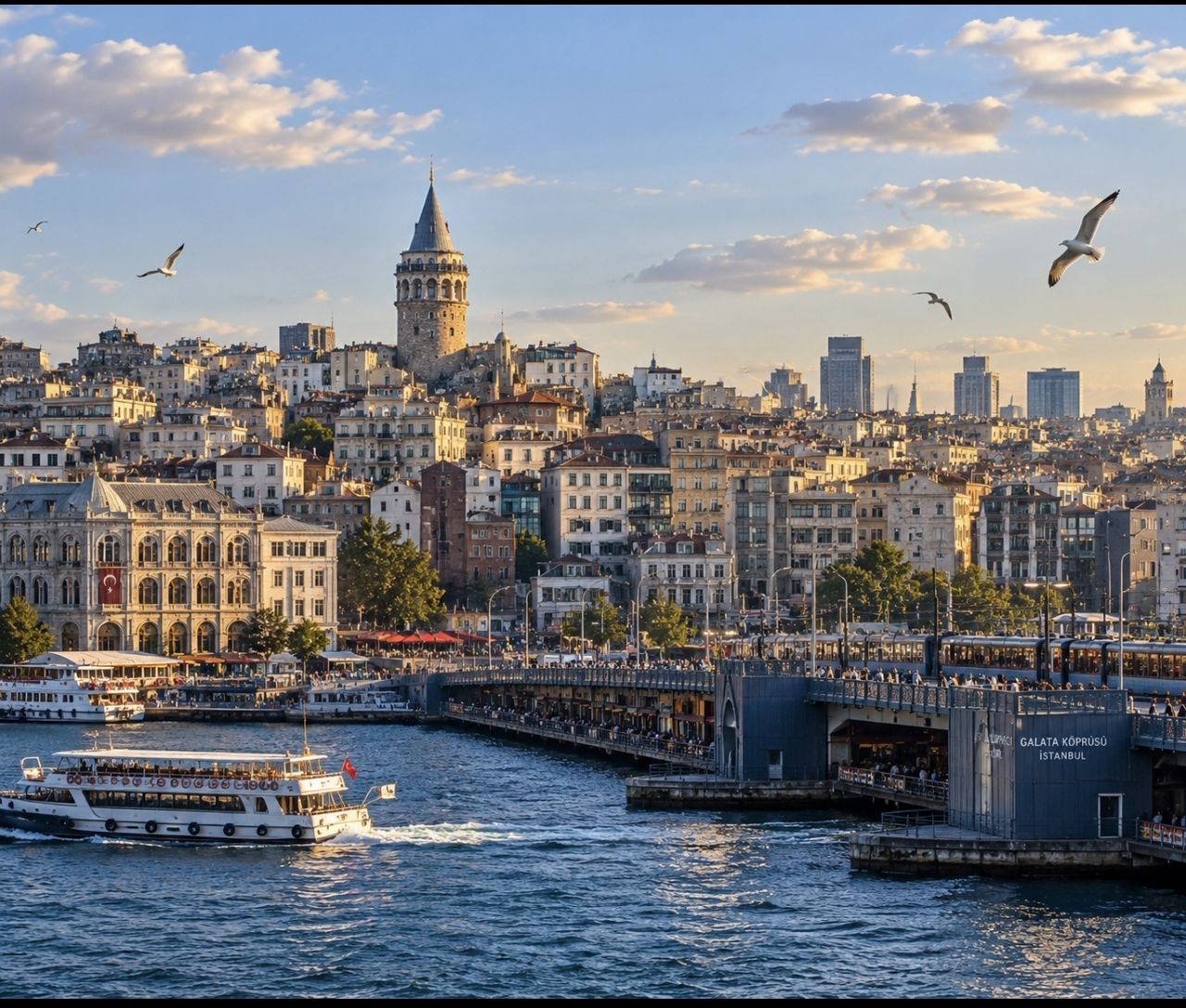
Galata Tower and the Galata Bridge, seen from Karaköy.
Start day two in Karaköy. Walk up toward the streets of Galata. The hill may tire you out a little, but once Galata Tower comes into view, you'll understand why you walked. Spend some time in the streets around the tower.
From there, continue toward Beyoğlu and Pera. Here, another face of historic Istanbul emerges: old apartment buildings, arcades, hotels, art spaces, cafés and bookshops.
Don't think of Istanbul only in terms of its monuments. Sometimes the entrance of an apartment building, the ceiling of an old arcade, or the window of a small bookshop tells the city's story just as beautifully as its grand buildings.
Leave Time for Museums
Don't settle for seeing Istanbul only outdoors. Depending on your interests, you might choose Topkapı Palace, Istanbul Modern, one of the cultural institutions around Pera, or an exhibition that happens to be open during your visit. But don't turn museum-going into a race either — spending real time in one or two places is worth more than seeing five museums in a single day.
Because we cover this month's exhibitions and events separately, in our Kültür & Sanat section, we won't be including a long events list in Zarif Seyahat.
Day 3 — The Other Side of the Bosphorus
ÜSKÜDAR · MAIDEN'S TOWER · KADIKÖY · MODA
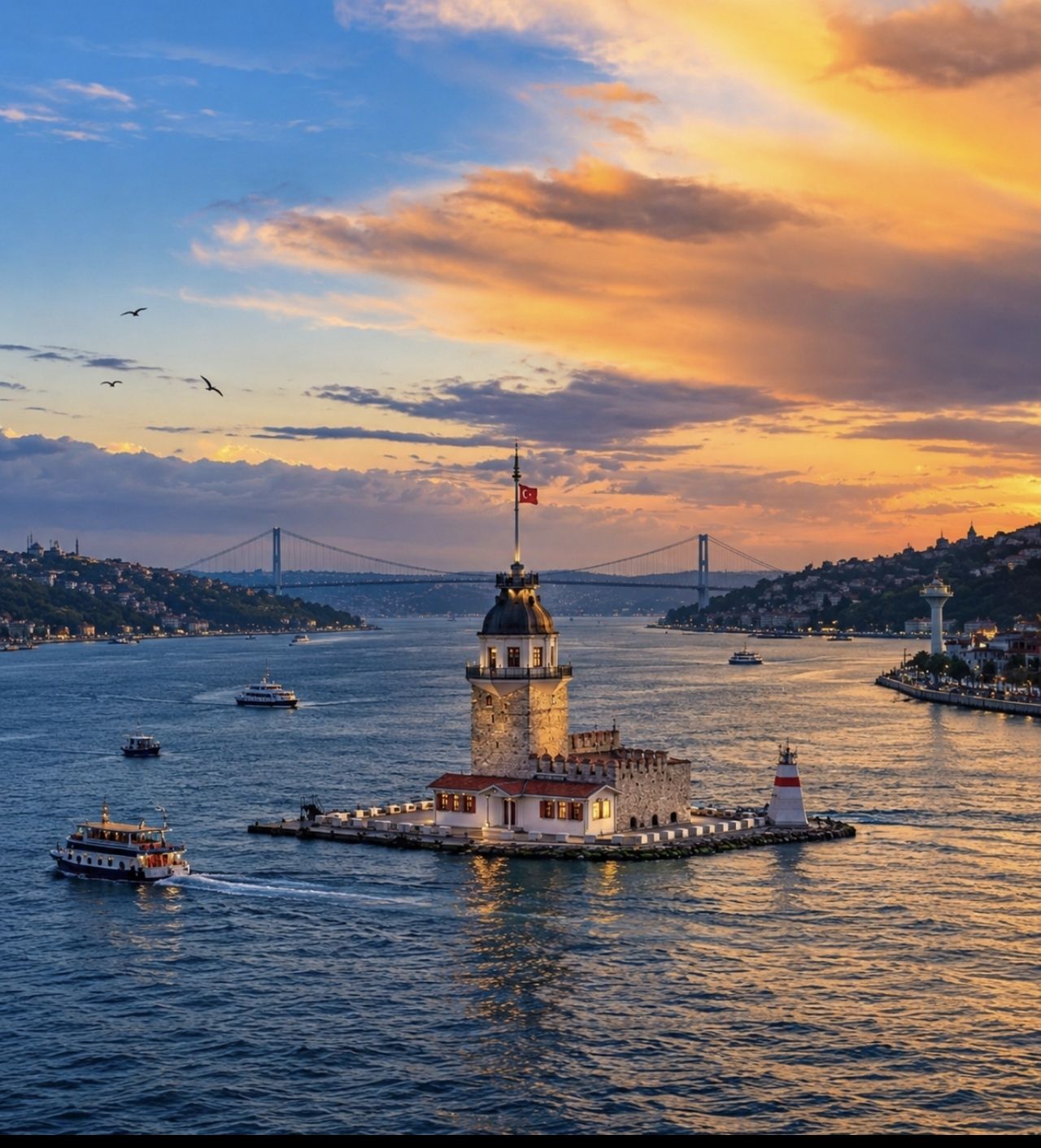
Maiden's Tower, at sunset in the middle of the Bosphorus.
Take the ferry again today. Cross from the European side to Üsküdar. Then walk along the shore toward Salacak. Maiden's Tower will appear in the middle of the sea.
Don't think of it only as a photo spot. Sit by the shore for a while. Watch the Historic Peninsula behind it, the boats passing in front, and the Bosphorus' ever-changing light. Late afternoon in September suits this view particularly well.
Then head toward Kadıköy to move into another of Istanbul's rhythms.
Kadıköy & Moda: Istanbul's Living Face
In Kadıköy, Istanbul speaks in a different way. Walk through the market. Sit in a café. Browse the bookshops. Wander the streets. Then continue toward Moda.
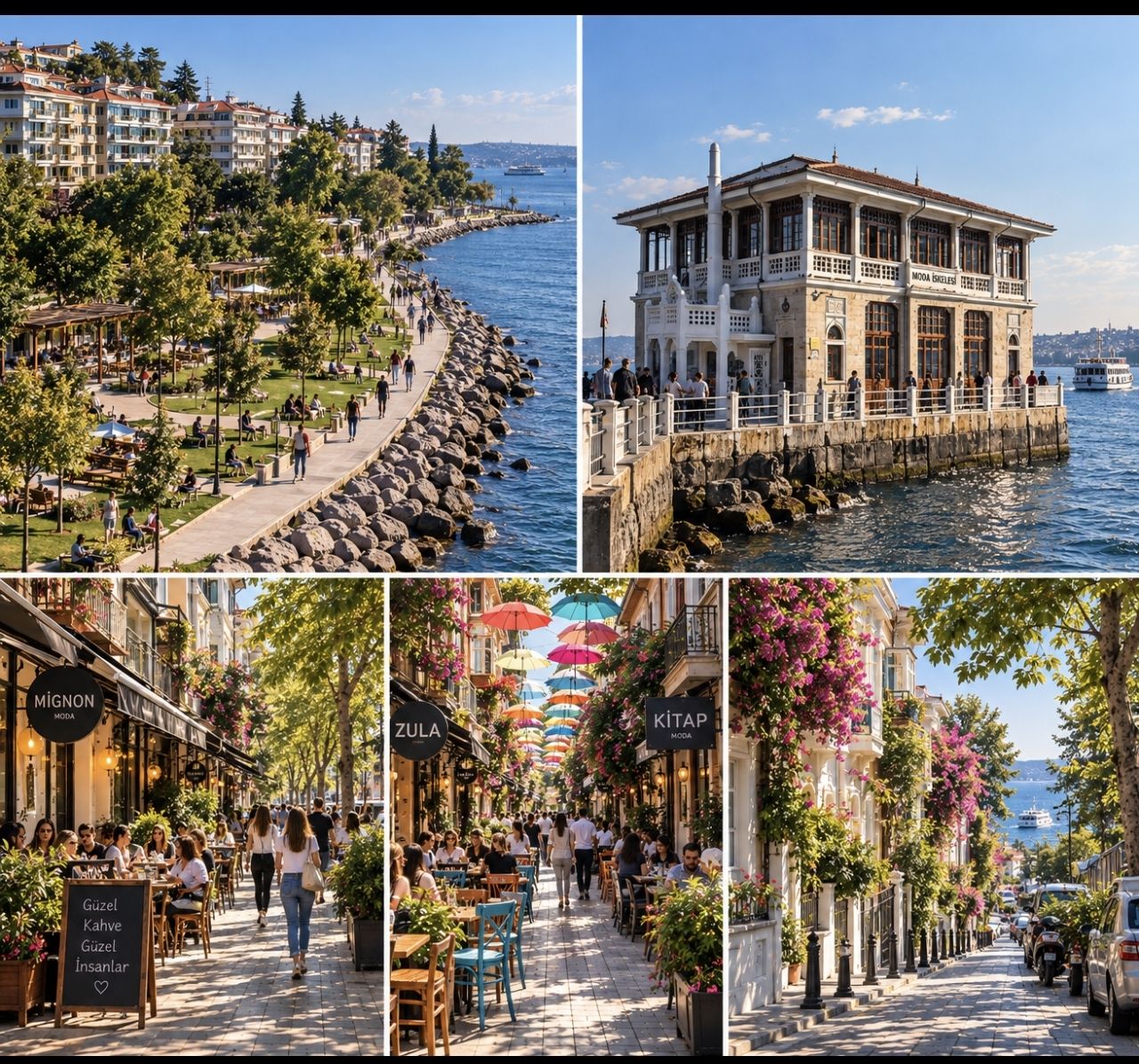
The Moda shore, Moda pier, and the colourful market streets.
Walk through tree-lined streets, look at the old apartment buildings and houses; watch the people sitting in the neighbourhood's cafés, those out walking, and the everyday pace of life. Walk toward Moda pier. Once you reach the sea, don't rush.
What you're meant to do here isn't necessarily to find a new "sight" to see. Sometimes one of the loveliest things you can do in Istanbul is simply stay by the sea for a while, with nowhere to rush off to. Don't fill every hour with a historic building; because getting to know a city means looking not only at its past, but at how it lives today. Kadıköy and Moda are one of Istanbul's loveliest stops for exactly this.
Day 4 — The Princes' Islands
MOVING AWAY FROM ISTANBUL WITHOUT LEAVING IT
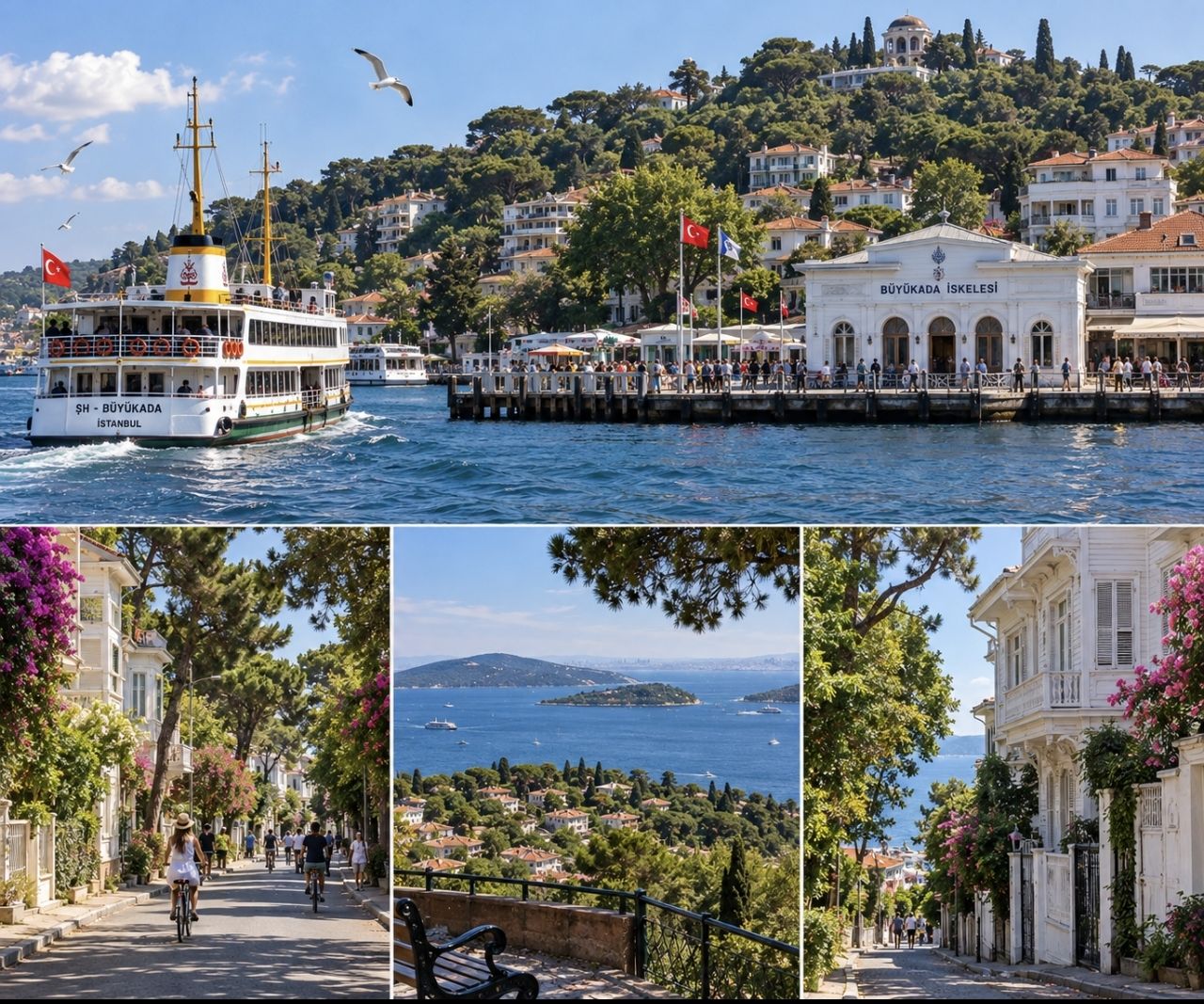
Büyükada — the ferry pier, tree-lined roads, and the island's quiet streets.
If you've come to Istanbul in September, try to set aside a day for the Princes' Islands. Take the morning ferry, and give the sea crossing itself some time. If it's your first visit, Büyükada is a good place to start.
The moment you step off the ferry, the city's rhythm changes. Historic mansions… Tree-lined roads… Old Istanbul houses… The sea… One of the loveliest things you can do here is not try to fit anything in at all.
Walk. Wander the streets. Take in the mansions. Have a long lunch by the sea. Drink your coffee unhurried. And keep an eye on the time only so you don't miss the ferry back.
If you'd like a quieter island, Heybeliada offers a different option. With its green texture and calmer atmosphere, it has a different rhythm from Büyükada. Burgazada and Kınalıada can be later options for those who have already visited Istanbul and want to discover the other faces of the islands.
"In Istanbul, summer doesn't end in September; it just turns its volume down a little."
Can You Get Around Istanbul Without Taking a Taxi?
Yes — and beautifully so. But don't turn it into a race.
You might want a comfortable taxi from the airport to your hotel with large suitcases. The next morning, the tram in Sultanahmet, the metro around Taksim–Şişhane, Marmaray between the two continents, the ferry on the Bosphorus; and in Galata and Moda, your own feet can take over.
Istanbul's public transport system isn't just an economical solution. The ferry in particular is part of the relationship a visitor builds with the city.
If You Have Four Days in Istanbul
Day 1 — Historic Istanbul
Sultanahmet → Hagia Sophia → Topkapı → Basilica Cistern → Eminönü → Spice Bazaar
Day 2 — Galata & Culture
Karaköy → Galata → Pera/Beyoğlu → a chosen museum → evening on the Bosphorus
Day 3 — The Asian Side
Ferry → Üsküdar → Maiden's Tower/Salacak → Kadıköy → Moda
Day 4 — The Islands
Ferry → Büyükada or Heybeliada → walking → a long lunch → return to Istanbul
But if you only have three days in Istanbul, don't try to squeeze everything into them. Decide what you genuinely want to see. It's not possible to "finish" Istanbul.
What to Pack for September in Istanbul
In September, the daytime sun can still be warm; in the evenings on the Bosphorus, the wind can be noticeable. This is why the best solution is dressing in layers.
A light trench coat or jacket, a fine knit, comfortable walking shoes, a light scarf, a small umbrella, and a bag you can comfortably carry all day are enough. There's no need yet for a heavy autumn wardrobe — September in Istanbul, just like September fashion, lives between two seasons.
Zarif Yaşam's Rule for Istanbul
See a palace.
Spend real time in a museum.
Follow the scents through a bazaar.
Walk aimlessly through a neighbourhood.
Get out on the water for a day.
Have tea on the open deck of a ferry.
Forget the time on one of the islands.
And break your schedule at least once.
Because more often than not, Istanbul gives you its most beautiful moment on a street you never planned to visit.
A Note from Zarif Yaşam
When you return from Istanbul, you won't only remember Hagia Sophia, Topkapı Palace, Galata Tower, or Maiden's Tower.
The sound of the morning ferry… The crowds of Eminönü… The scent of spices at the Spice Bazaar…
The moment you turn around after climbing Galata's hill… The colour of the sea at Salacak…
The liveliness of Kadıköy… The tree-lined streets of Moda…
The September light left behind the ferry on the way back from Büyükada…
And you'll remember that short crossing between two continents too, a glass of tea in your hand. Because Istanbul isn't just a city you visit. Istanbul is a city you live.
"In Istanbul, the journey is as beautiful as the destination. Sometimes the most elegant way to discover the city is simply to get on a ferry."
— Zarif Yaşam
Editor's note: Airport transport routes, public transport and ferry timetables, museum visiting hours, ticket conditions and prices can change periodically. We recommend checking the relevant institutions' current information before your trip.