A Gentle Shift from Summer to Autumn
As the season changes, the body doesn't ask for sudden decisions — it asks for balanced, gentle transitions.
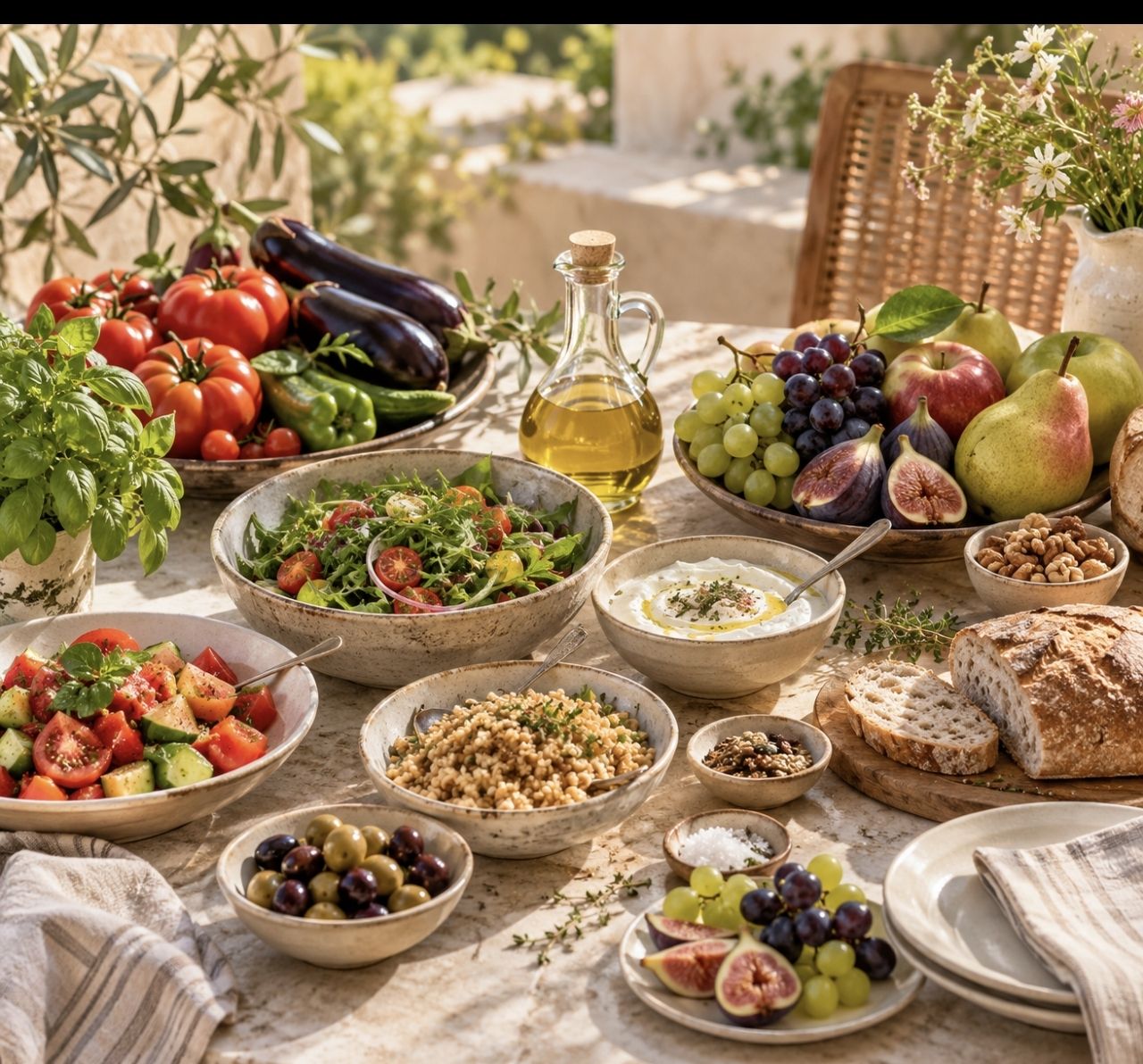
Two Seasons at One Table
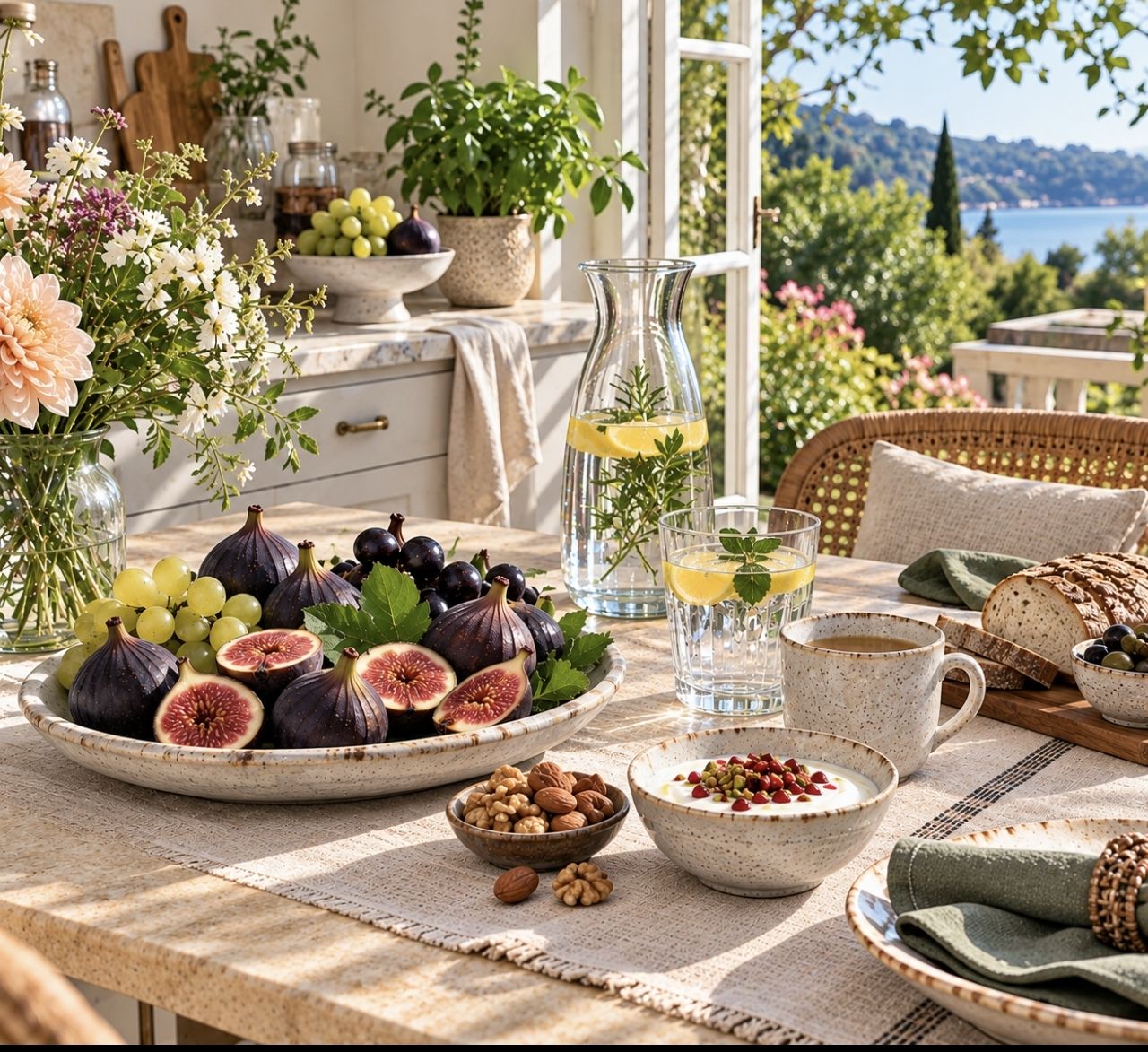
September is a special time when two seasons meet at the same table. While the daytime sun still recalls summer, mornings and evenings begin to cool. We return from the looser rhythm of the holidays to the pace of work, school and daily life. The same transition shows up at markets and greengrocers too: as summer's colours haven't yet disappeared, the new season's produce slowly starts settling in alongside them.
For exactly this reason, there's no need for the September table to change all at once.
Rather than moving straight into heavy winter dishes, doing an "autumn detox," or setting strict rules to prepare the body for the new season, a far more balanced approach is to increase variety, rebuild the daily rhythm, and let the table shift slowly along with the weather.
Two Seasons on One Plate — The End of Summer, the Start of Autumn
The loveliest thing about the September table is its variety.
While familiar summer vegetables like tomatoes, peppers, aubergine and courgette are still on the table in many regions, fruits like grapes, figs, plums, apples and pears are beginning to define September's own character.
As autumn moves on, varieties of squash, root vegetables and produce associated with cooler days will find more room in the kitchen. But in September, there's no need to rush toward that.
One meal might pair roasted vegetables with a still-fresh tomato salad; breakfast might bring grapes or figs alongside the last of summer's fruit; dinner might pair a light legume dish with plenty of greens.
September actually teaches us something rather lovely:
Moving into one season doesn't mean leaving the other behind in a single day.
A Note on the Season
The harvest periods for fruits and vegetables can vary by country, region, climate, and that year's particular weather. This is why one of the best guides is simply following what's in season where you live.
How to Build a September Plate — Colour · Protein · Fibre · Healthy Fat
Eating a balanced diet doesn't require preparing a flawless menu every single day. What's far more useful is knowing how to build a meal.
As you put together your September plate, think about four simple elements.
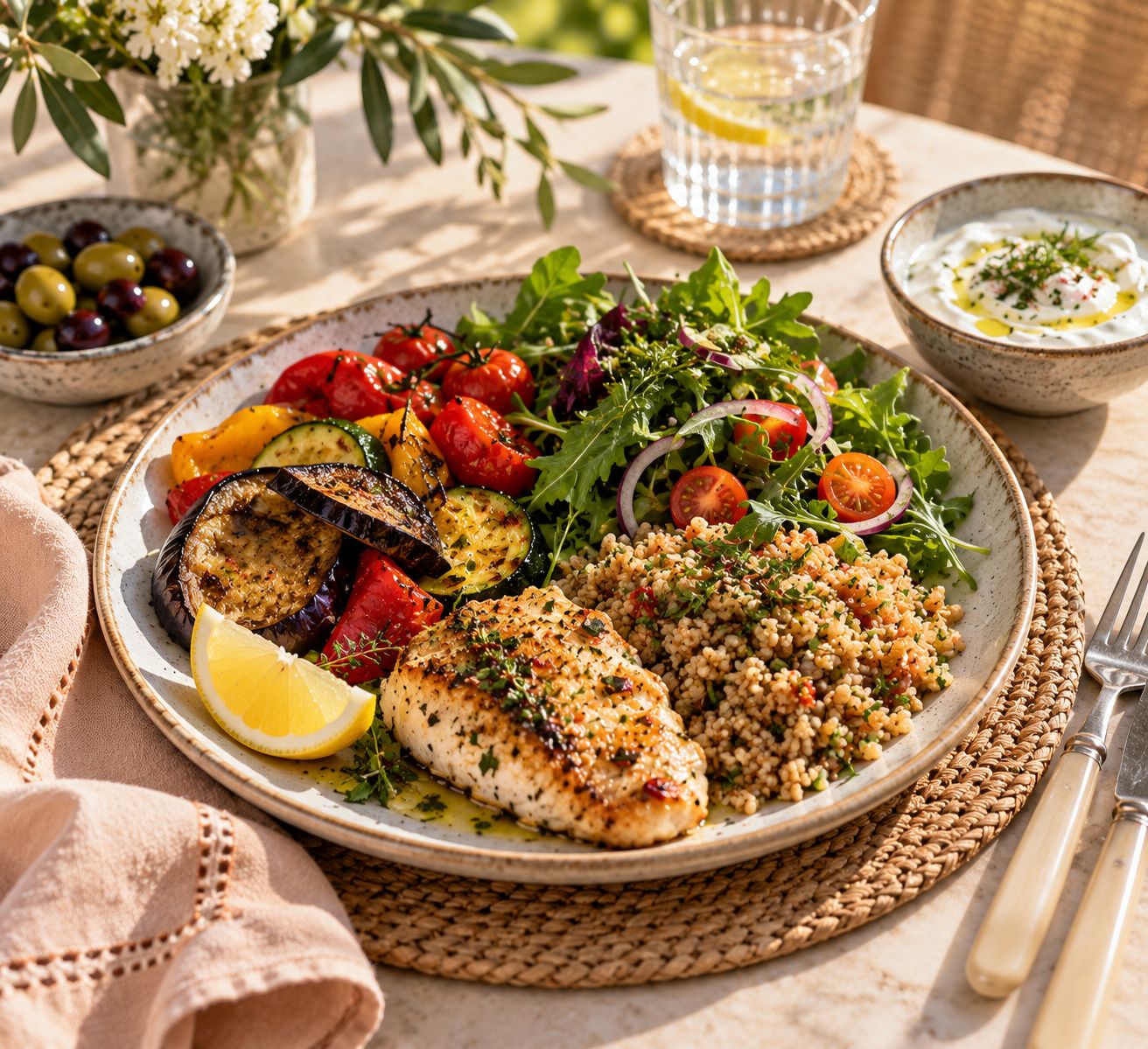
The September Plate — Colour · Protein · Fibre · Healthy Fat
Colour: Look for variety in vegetables and fruit. Rather than fixating on a single "superfood," rotate between different colours and types.
Protein: Eggs, yoghurt and other dairy products, fish, chicken, meat, legumes, or other protein sources suited to your own way of eating can all be included in meals in a balanced way.
Fibre: Vegetables, fruit, legumes and whole grains are important parts of daily eating. Here too, variety matters more than focusing on a single food.
Healthy fats: Sources like olive oil, nuts and seeds can be the table's small but valuable finishing touch.
But don't turn these four headings into a mathematical formula. The aim isn't to calculate every plate down to the millimetre — it's to be able to build a varied, sufficient and sustainable way of eating.
Immunity as Autumn Approaches — Not a Miracle Food, but Variety
As autumn approaches, "immune-boosting" foods, drinks and blends start coming back into conversation.
Yet the immune system isn't a switch that a single food can turn on or off.
Getting enough protein, vitamin C, zinc and other vitamins and minerals are all part of the eating pattern that supports the immune system's normal function. This is why it makes far more sense to look at the whole of a varied, adequate diet, rather than searching for the answer in a single fruit, spice, or drink.
Vegetables and fruit, legumes, whole grains, suitable protein sources, and — where they suit a person's diet — fermented foods like yoghurt and kefir can all be part of this variety.
It's also worth remembering that sleep, movement and overall lifestyle are never separate from health as a whole.
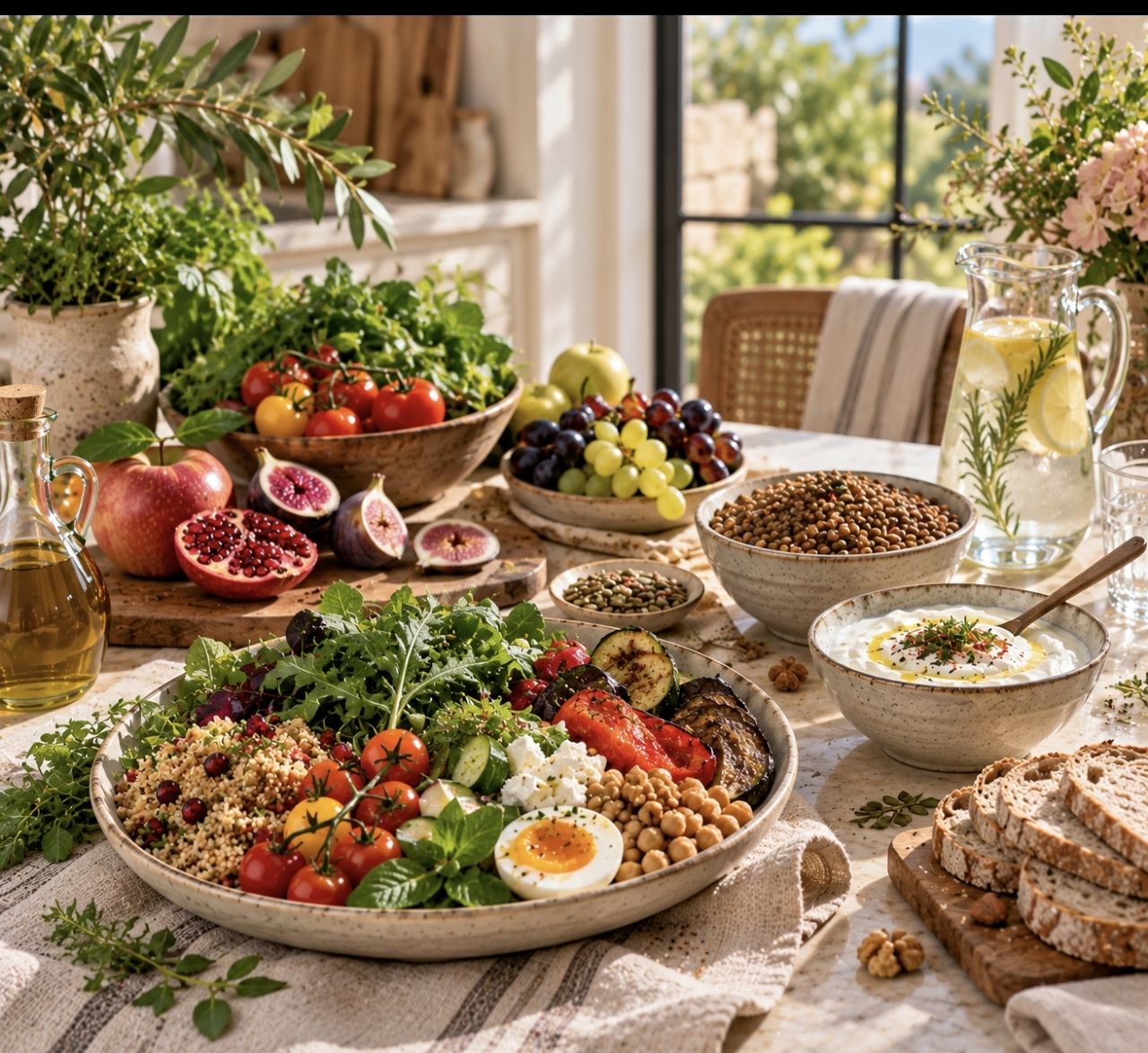
Not a Miracle, but Variety
Myth / Fact
"If I drink an immunity shot every morning, I won't get sick this autumn."
MYTH.
A drink made from ginger, lemon or other ingredients can be part of a healthy diet; but on its own, it is not a shield against illness.
For the same reason, it isn't right to approach vitamin and mineral supplements with a "more is better" mindset either. Needs can vary from person to person; it's more appropriate, especially for those taking regular medication or with a health condition, to discuss supplements with a health professional.
The Thing We Forget in Cooler Weather: Water
On a hot summer day, it's easy to notice when we're thirsty. Once the weather starts to cool, the water bottle can sit on the table a little longer.
But cooler weather doesn't mean the body no longer needs fluids.
This is why it matters, in September, not to let go of the regular water-drinking habit built up over the summer.
Water remains one of the primary choices for daily fluid intake. Alongside it, unsweetened warm or hot drinks can also be added to the daily routine, depending on preference.
An unsweetened drink made with linden, ginger or cinnamon can be a pleasure on a cool September evening. But it's more accurate to think of these as an enjoyable part of the table and of daily life, rather than as "detox," "fat-burning," or miracle drinks that prevent illness.

The Thing We Forget in Cooler Weather: Water
From a Cold Table to a Warm One — But Not Heavy Winter Food Just Yet
September arriving doesn't mean putting the salads away and filling the pots with heavy winter dishes.
Quite the opposite — this month is a lovely period in which both worlds can exist side by side.
Warm roasted vegetables can be added alongside cold salads. A small soup can sit next to light summer plates. Legumes can be used not only in hot stews, but in warm salads too. Grains, vegetables and greens can meet in the same bowl.
The key word here is transition.
As the weather cools, warm dishes may naturally take up more room at the table. The rhythm of the body and of daily life should be guided less by the calendar, and more by the weather, appetite and personal needs.
The September Bowl — Not a Single Recipe, but a Formula
Rather than searching for a new recipe every time, you can build your own September bowl.
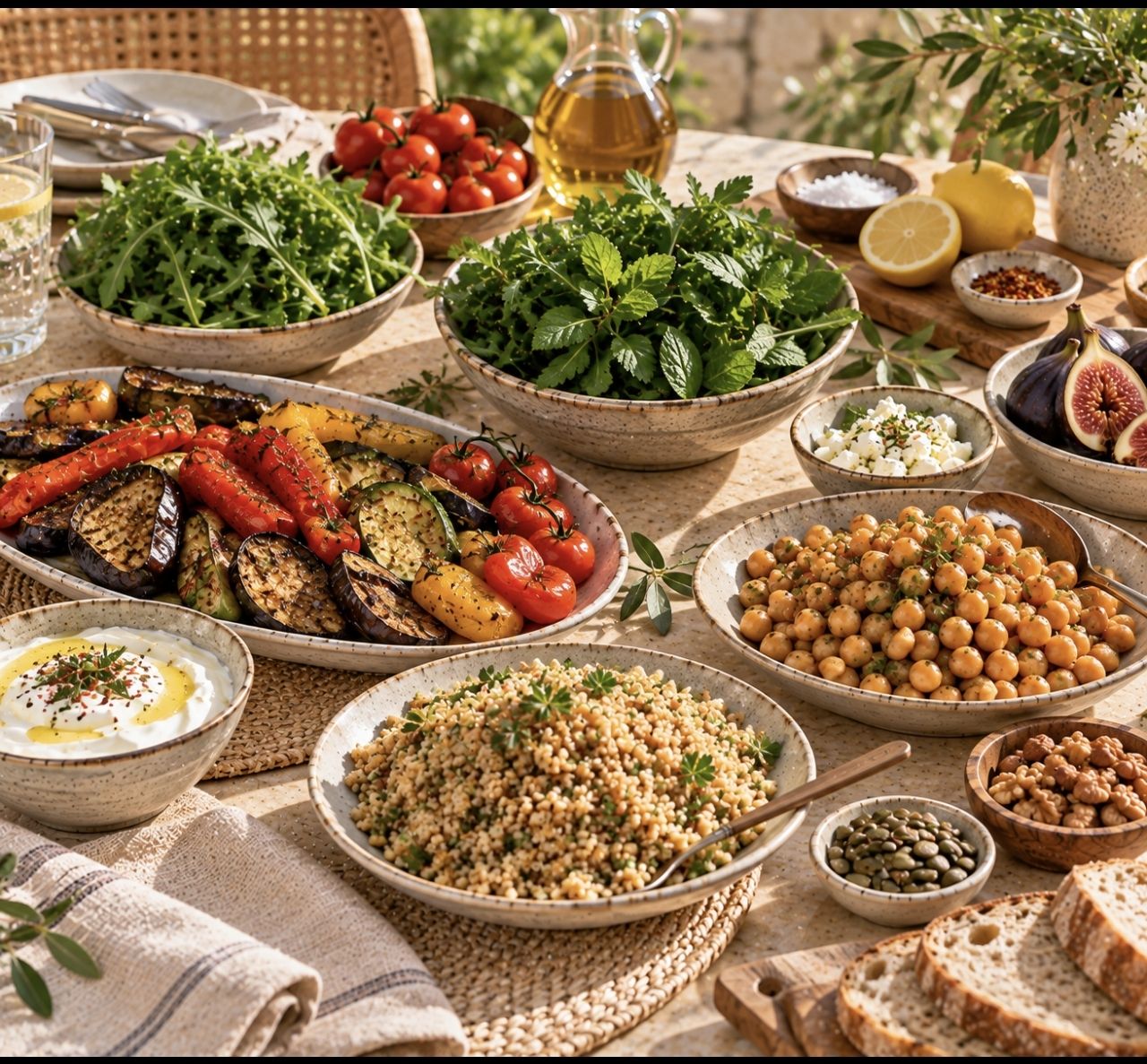
The September Bowl — one formula, dozens of meals
1. Choose a seasonal vegetable. Raw, roasted, or lightly cooked.
2. Add a base. Bulgur, buckwheat, oats, brown rice, or another whole grain of your choice; legumes can be used as an alternative.
3. Choose your protein source. Chickpeas, lentils, beans, eggs, fish, chicken, cheese, or another option suited to your way of eating.
4. Add greens. Rocket, parsley, dill, or whatever fresh greens are in season where you are.
5. Add the finishing touch. Olive oil, lemon, a yoghurt-based sauce, a few nuts or seeds…
The same formula can turn into dozens of different meals, depending on what you have on hand.
The secret of an elegant table is sometimes not learning a new recipe, but knowing how to bring together what you already have.
Seasonal Transition Through Spices — The Kitchen's Scent Changes Too
As the season changes, it isn't only the vegetables and fruit we use that shift — the scents we're drawn to begin to change as well.
While lemon, fresh herbs and bright aromas take the lead in summer, warmer, more intense aromas like cinnamon, ginger and turmeric can slowly make their way back into the kitchen with September.
A pinch of cinnamon in oats or yoghurt; ginger in vegetable dishes or drinks; turmeric lending a different character to suitable dishes.
The aim here isn't to assign spices some kind of medicinal duty.
Think of spice, first, as part of flavour, scent, and culinary culture.
An Elegant September Ritual — Starting the Day with Liquid
We don't need complicated morning rituals to prepare for the new season.
Drinking a glass of water after waking can be one of the simplest habits for starting the day.
If you prefer warm water to cold, have it warm. If you enjoy the taste of lemon, add a few drops or a slice.
But there's no need to see lemon water as a "detox method."
What matters here may have less to do with the lemon itself, and more to do with starting the day with a small, sustainable habit.
A September Day at the Table
The menu below isn't a diet programme; it's an example of how September's spirit of transition might be brought into the everyday table.
Morning
A protein source such as eggs or yoghurt; wholegrain bread or oats; tomato, cucumber and greens; alongside grapes, figs, or whatever fruit is in season where you are.
If you prefer tea or coffee, don't forget the water alongside it.
Midday
A colourful bowl or plate built around seasonal vegetables.
For example: bulgur or another whole grain; chickpeas/lentils or another preferred protein source; plenty of greens; tomatoes, peppers or roasted vegetables, and a simple olive oil dressing.
A Small In-Between Meal
Depending on need and hunger, a piece of fruit alongside a handful of nuts, or an option like yoghurt/kefir, can be considered.
Having a snack isn't necessary for everyone.
Evening
Depending on how warm the day has been: a light vegetable or legume dish, a soup, or roasted vegetables; alongside a suitable protein source, salad, or yoghurt as a balanced complement to the plate.
On a cooler evening, an unsweetened warm drink after the meal can be part of the September ritual.
This is not a diet list.
People's energy and nutrient needs vary according to age, lifestyle, health status and many other factors. This example has been prepared solely to show how a varied, balanced September day might be put together.
Preparing for Autumn
Do
Follow the season. Take advantage of the variety of produce grown where you live.
Don't drop your summer water habit. Even as the weather cools, don't neglect your fluid intake.
Build variety into your plate. Rotate between different vegetables, fruit, protein and fibre sources.
Make gradual room for warm dishes. Rather than putting salads away all at once, add soups, roasted vegetables and hot dishes to the table gradually.
Rebuild your daily rhythm. After summer's shifting hours, return to a sustainable meal pattern that suits you.
Don't
Go looking for an "autumn detox." Be wary of the idea that a healthy body needs a special cleanse at the start of a season.
Expect a miracle from a single food. No fruit, spice or drink can substitute, on its own, for a healthy way of eating.
Use supplements carelessly. Avoid the unnecessary use of high-dose vitamins and minerals in particular.
Mistake September for winter. If the weather and your appetite still recall summer, your table can reflect that too.
A Note from Zarif Yaşam
September reminds us not to rush.
As we place the last tomato of summer on the table, we can also see the new season's apple sitting beside it. We might still want a refreshing salad at lunch, while reaching for a warm soup in the evening cool.
The body's adjustment to the new season doesn't have to happen overnight, any more than the table's transformation does.
Rather than adding more rules, increasing variety, remembering water before thirst sets in, watching what the season offers, and rebuilding the daily rhythm can be a perfectly good place to start.
Because eating well isn't only about what's on our plate — it's also about the balance and continuity with which we build it into our lives.
"Adapting to the season isn't about changing the table overnight; it's about slowly carrying nature's rhythm into the kitchen."
— Zarif Yaşam
The Rhythm of September
Editorial health note
This content has been prepared for general informational purposes and does not replace personal medical or dietary advice. Those with a specific health condition, pregnancy, regular medication use, or particular dietary needs should consult an appropriate health professional for individual guidance.