ZARİF TRAVEL
LISBON AND SINTRA: NOVEMBER IN ATLANTIC LIGHT
From the golden light of the city of seven hills to the fairy-tale palaces in a misty forest: an elegant four-day route in Portugal.
In November, while much of Europe turns grey, Lisbon still glows. Light from the Atlantic falls on the city's tiled façades, its yellow trams and its terracotta roofs; the days are mild, the evenings cool. The summer crowds have gone and the city has returned to its own rhythm.
And right next to Lisbon another world awaits: Sintra. Among forest-covered hills, colourful palaces, mysterious gardens and old mansions rise from the autumn mist… This month we tell the story of both places together: three days of Lisbon's light, one day of Sintra's fairy tale.
WHY NOVEMBER?
– The weather is mild: daytime temperatures are mostly around 15–18 degrees. November is one of Lisbon's wetter months; there will be rainy days, but sunny spells are never far away.
– The crowds thin out: places where long queues form in summer are much calmer in November.
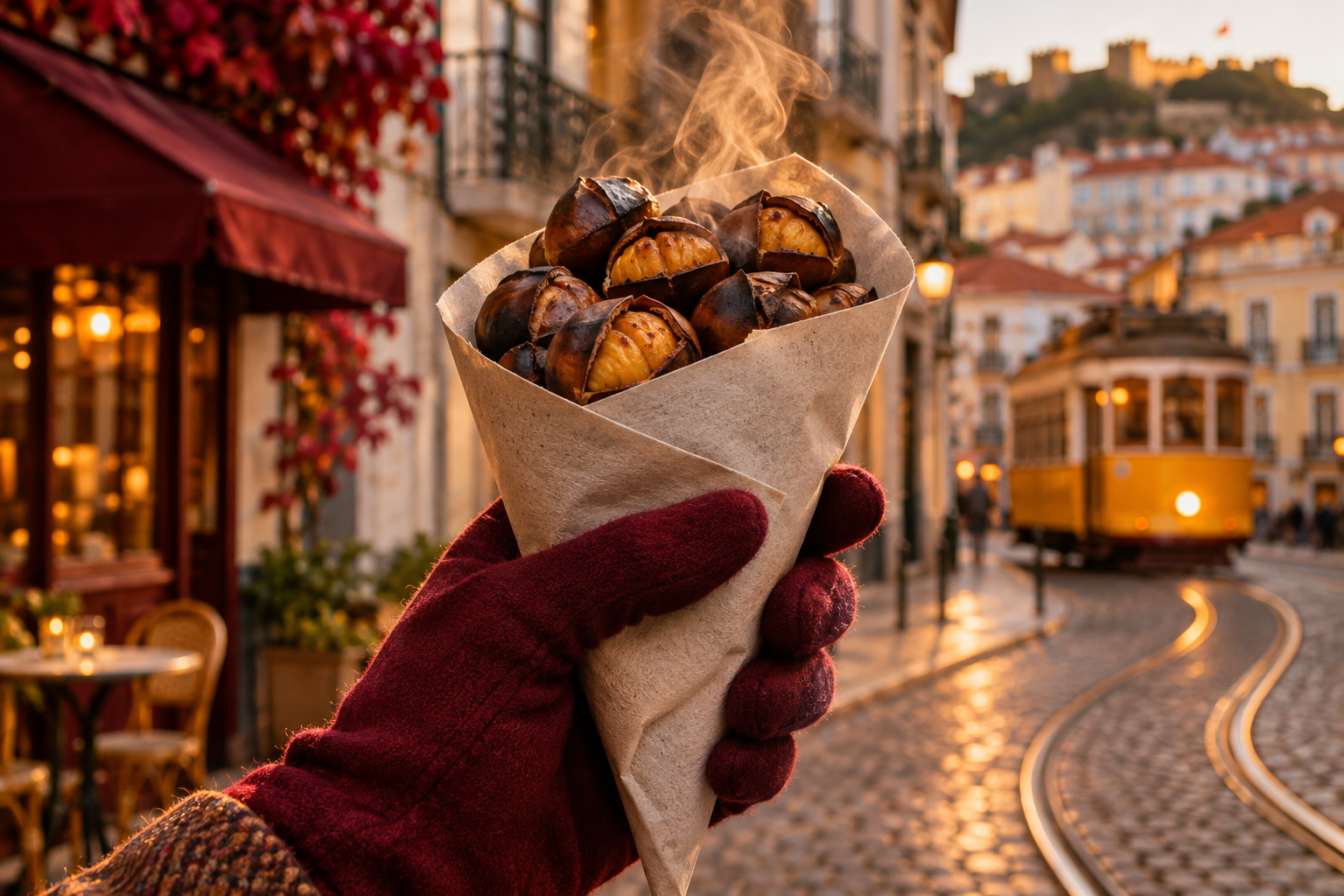
– It is chestnut season: smoke rises from the chestnut roasters on street corners.
– 11 November, St Martin's Day: the Portuguese celebrate this day with roasted chestnuts and the new season's wine. The tradition is called "magusto"; chestnuts are shared around the fire in homes, neighbourhoods and villages.
WHERE TO STAY?
Lisbon is built on hills; where you stay shapes the pleasure of your visit.
– Chiado: the city's elegant heart. Bookshops, historic cafés, boutiques and theatres; everything within walking distance.
– Príncipe Real: calmer, greener and chic. Concept stores, mansions with gardens and boutique hotels.
– Alfama: the city's oldest neighbourhood. Romantic with its narrow streets and the sound of fado, but steep and challenging with a suitcase.
Zarif tip: Lisbon's streets are paved with polished stone and can be slippery in the rain. Let comfortable shoes with non-slip soles be the most important thing in your suitcase.
PART 1 · LISBON
Day 1: Meeting the city's light
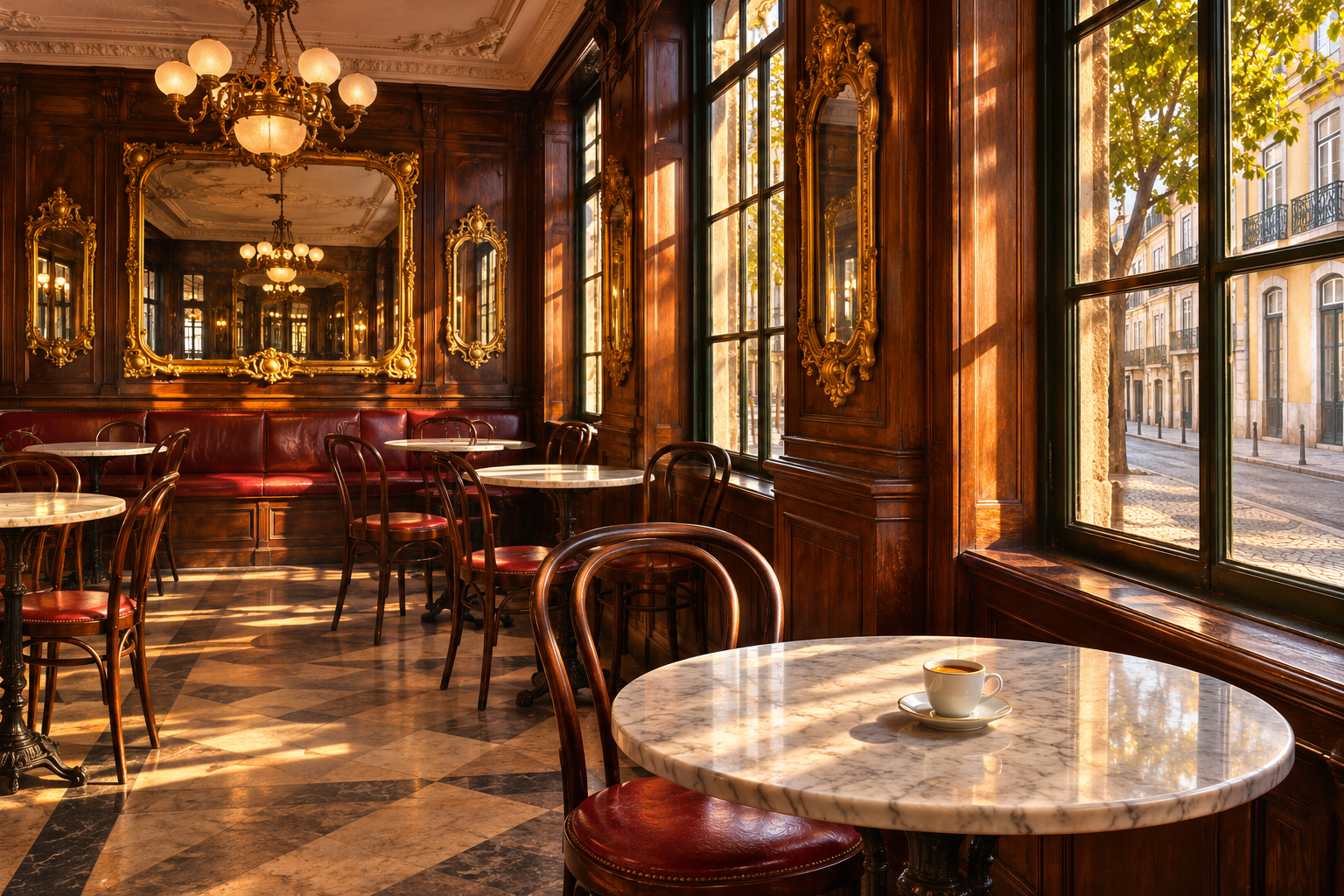
Begin the morning in a café in Chiado. The historic coffee houses that carry the city's literary past are the loveliest introduction to Lisbon's rhythm. Then walk through the orderly streets of Baixa to Praça do Comércio, the great square on the riverbank. Here the Tagus opens before you almost like a sea.
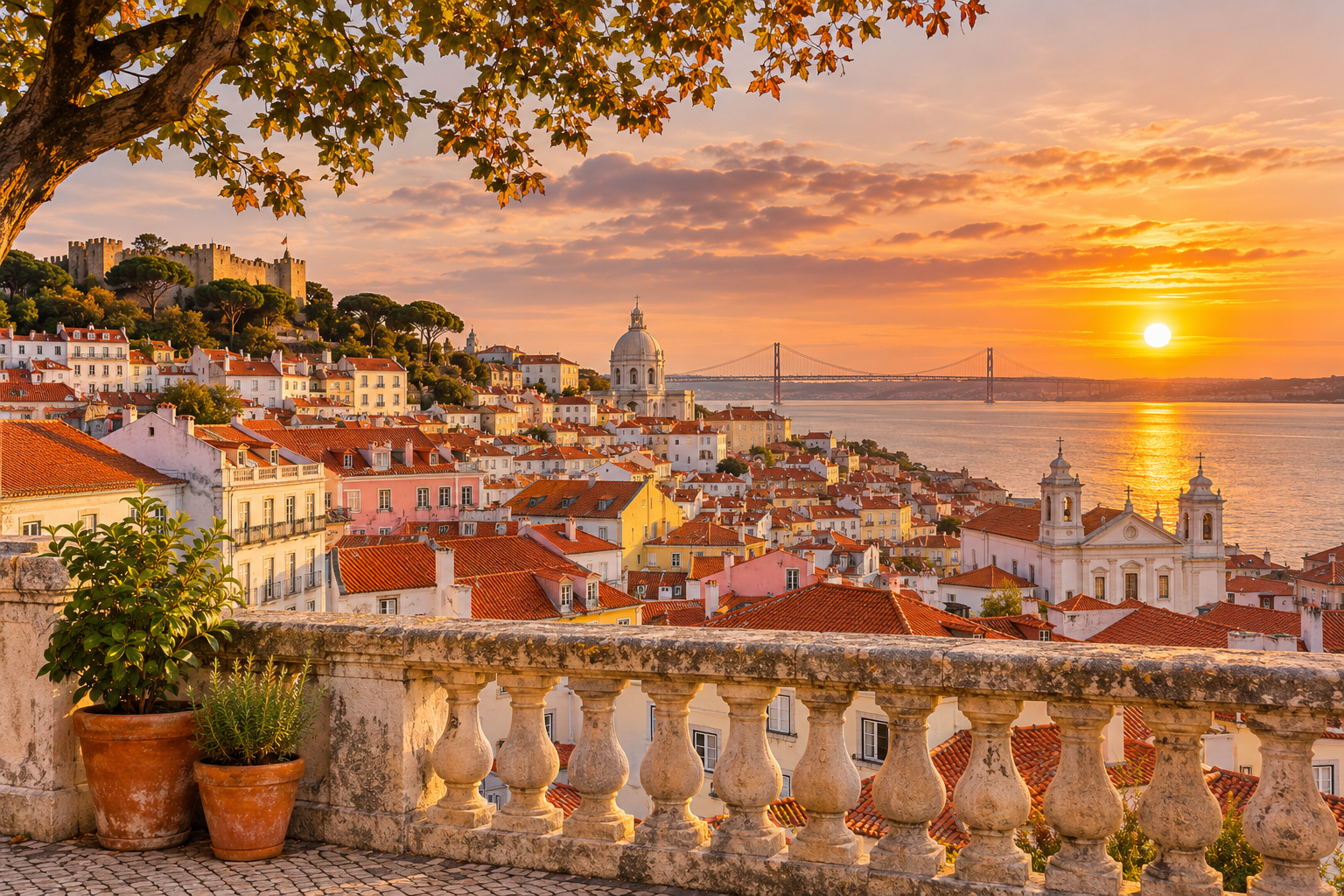
In the afternoon, the city's viewpoints, the "miradouros", await you. In the late-afternoon light, look out over the city from Miradouro da Senhora do Monte or Miradouro de Santa Luzia: orange roofs, white domes and the sun setting over the river.
Day 2: Alfama and the yellow tram
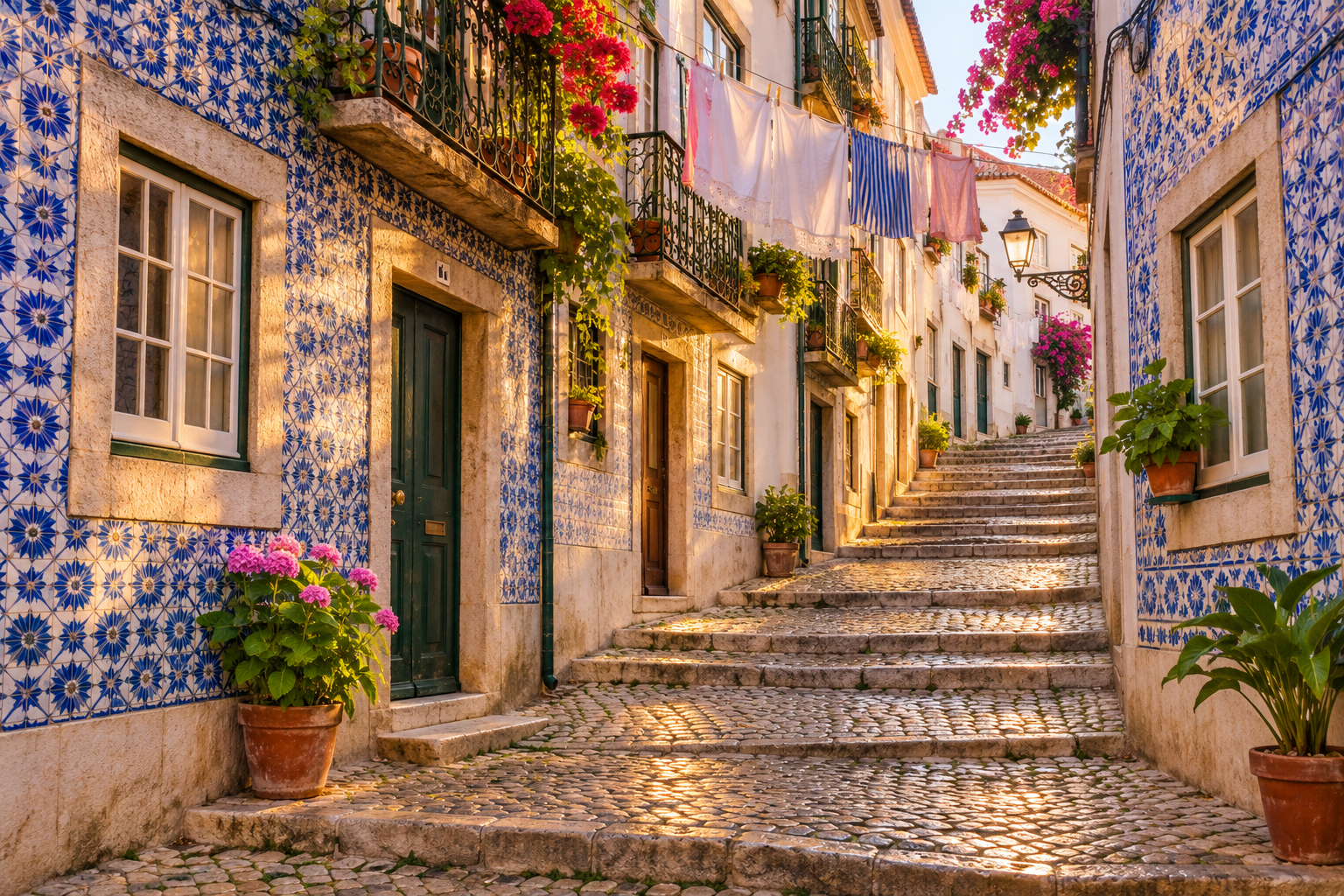
Alfama, Lisbon's oldest neighbourhood, is at its most beautiful in the early morning: narrow streets hung with washing, stairways, tiled doorways and little squares. Take in the city's widest view from São Jorge Castle.
Riding one of the yellow trams that are the city's symbol through the hills is also part of the Lisbon experience. The famous number 28 line can be very crowded during the day; choose the early morning hours and keep an eye on your valuables.

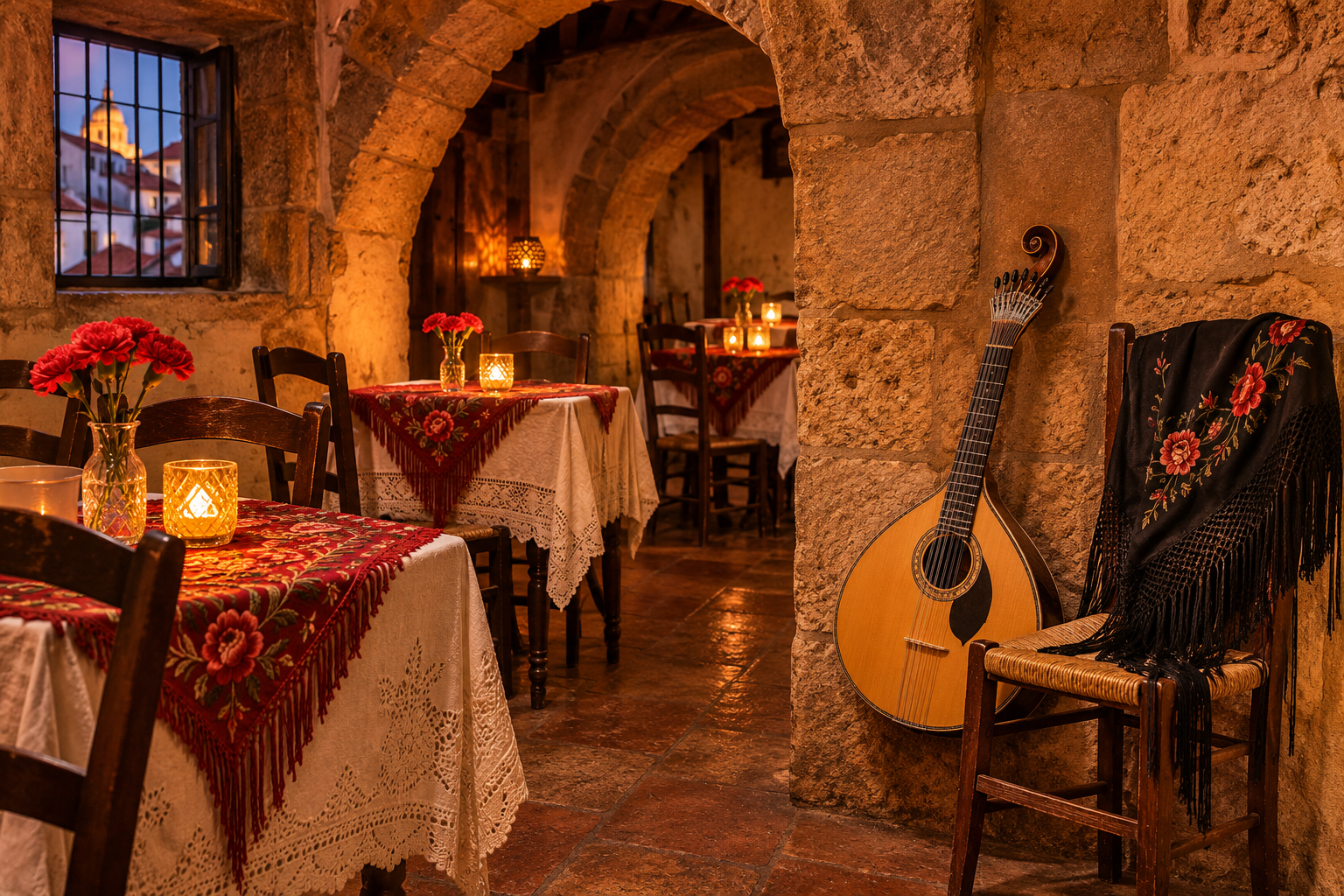
Evening: fado. Fado, Portugal's melancholy and passionate folk music, is heard up close by candlelight in Alfama's small restaurants. A single evening is enough to understand the feeling of longing called "saudade". People keep silent while fado is sung; not talking during a song is a sign of respect for this music.
Day 3: Belém and the gateway to the Atlantic
Belém, in the west of the city, carries the memory of Portugal's age of discovery. Let the Jerónimos Monastery, with its lace-like carved stone, and the Belém Tower on the riverbank be the day's first stops.
You can't come to Belém without trying the famous pastel de nata. The most celebrated address for this little custard tart with crisp pastry is Pastéis de Belém, made to the same recipe since 1837. Sprinkle a little cinnamon and icing sugar on top and eat it warm.
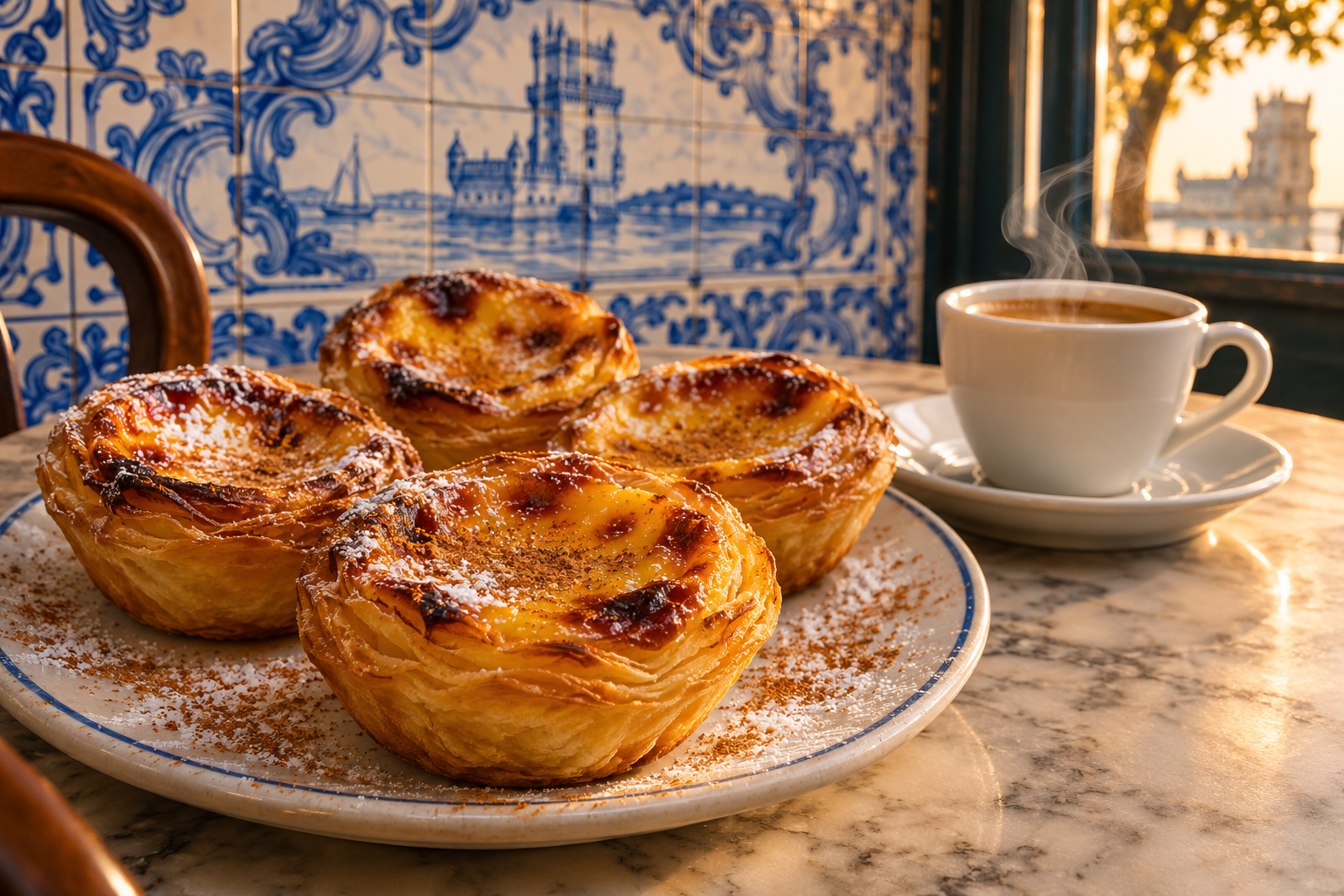
In the afternoon, walk along the riverbank; the November sun draws a golden path across the Tagus. In the evening, close the day with dinner in the garden-lined streets of Príncipe Real.
The taste of November: roasted chestnuts are sold on the street in paper cones made from newspaper. Buy a cone of chestnuts and eat them as you walk; this is the scent of November in Lisbon.
PART 2 · SINTRA
Day 4: A fairy tale in the misty forest
A train from Lisbon's Rossio station brings you to Sintra in about 40 minutes. With its forest-covered hills, the humidity and mist from the Atlantic, Sintra seems to belong to another climate. For centuries the kings and aristocrats of Portugal spent their summers here and built palaces and mansions. Sintra's cultural landscape is today on the UNESCO World Heritage list.
Pena Palace
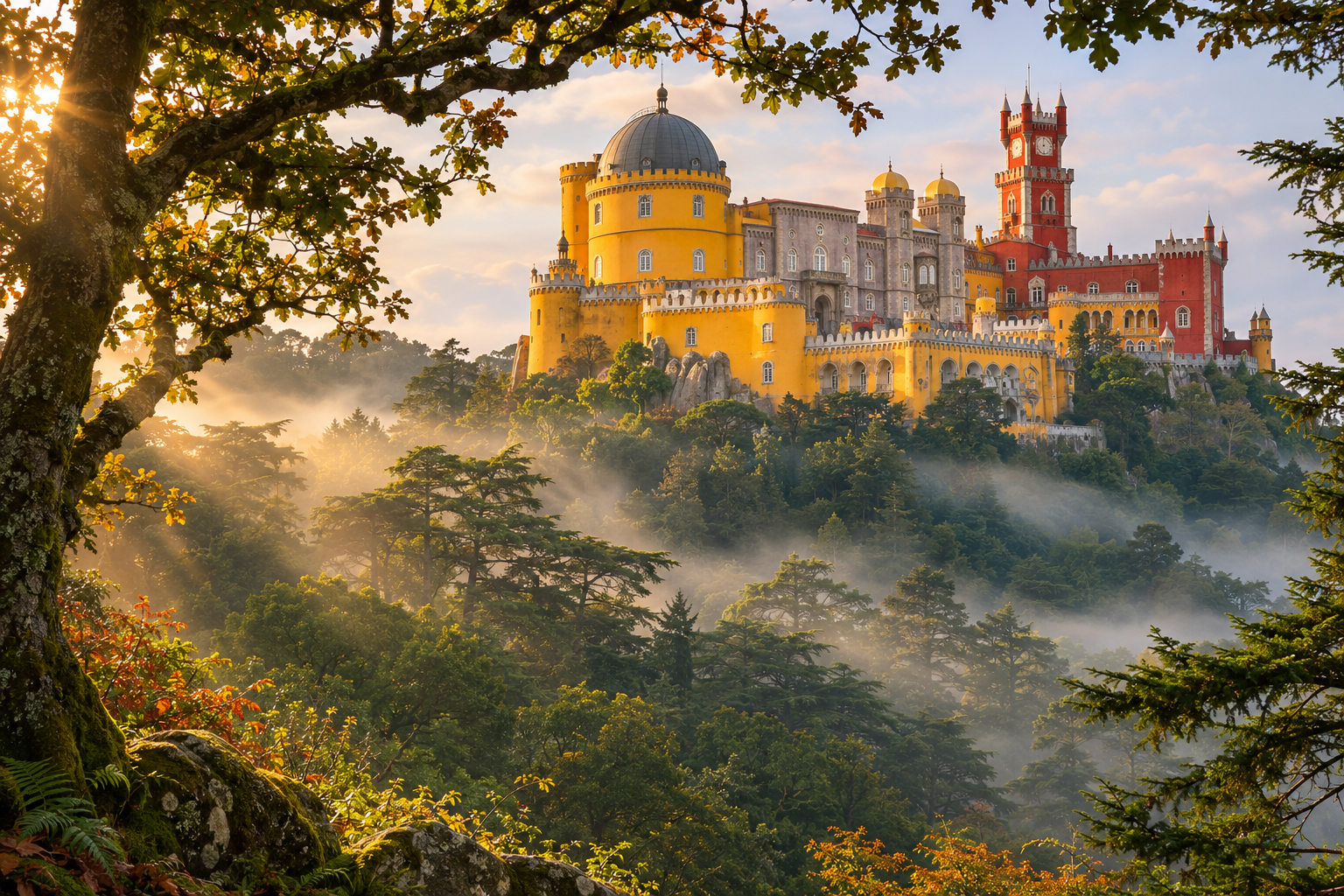
At the highest point of the hill, with its yellow and red colours, towers and domes, Pena Palace looks as if it stepped out of a storybook and is the symbol of Sintra. It was built in the 19th century in the spirit of the Romantic era. The park around the palace, with its ponds, exotic trees and hidden paths, is at least as enchanting as the palace itself.
Zarif tip: entry to Pena Palace is by timed ticket, and on busy days the slots can sell out. Buy your ticket in advance on the official website and choose the first hours of the day.
Quinta da Regaleira
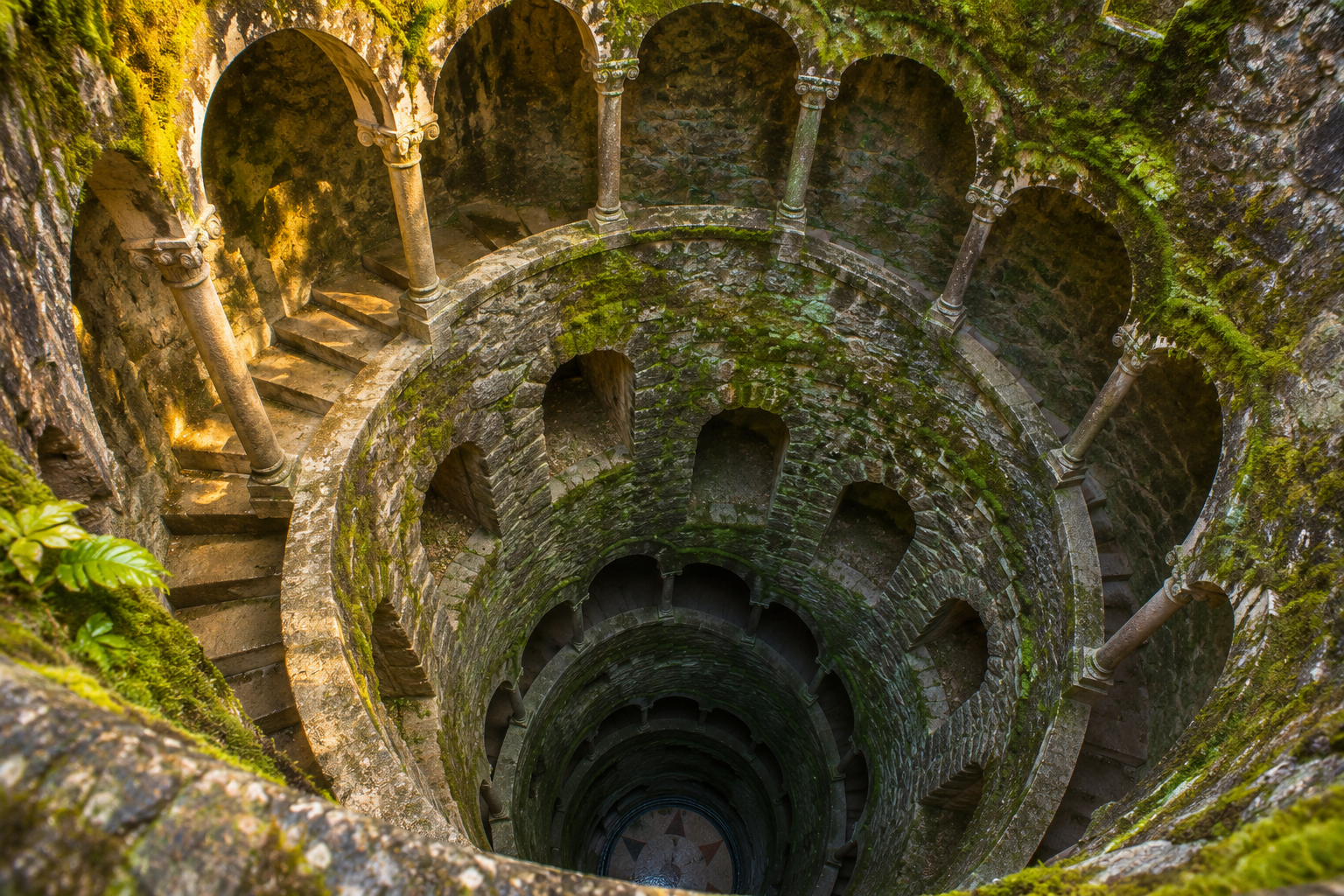
With its mysterious gardens, grottoes and underground tunnels, Quinta da Regaleira is Sintra's most poetic place. Don't leave without seeing the "Initiation Well", whose spiral staircase descends deep into the earth. Seen from above, the stone stairs, green moss and light form an unforgettable image.
Moorish Castle
From these old castle walls running along the ridge of the hills, you see Pena Palace on one side and the plain stretching to the Atlantic on the other.
Sintra's sweets
Sintra's famous sweets are the "travesseiro" (a pillow-shaped pastry with almond cream and thin dough) and the "queijada" (a small cheese tart). Try them with a cup of coffee in one of the town's historic pastry shops.
Sunset: Cabo da Roca
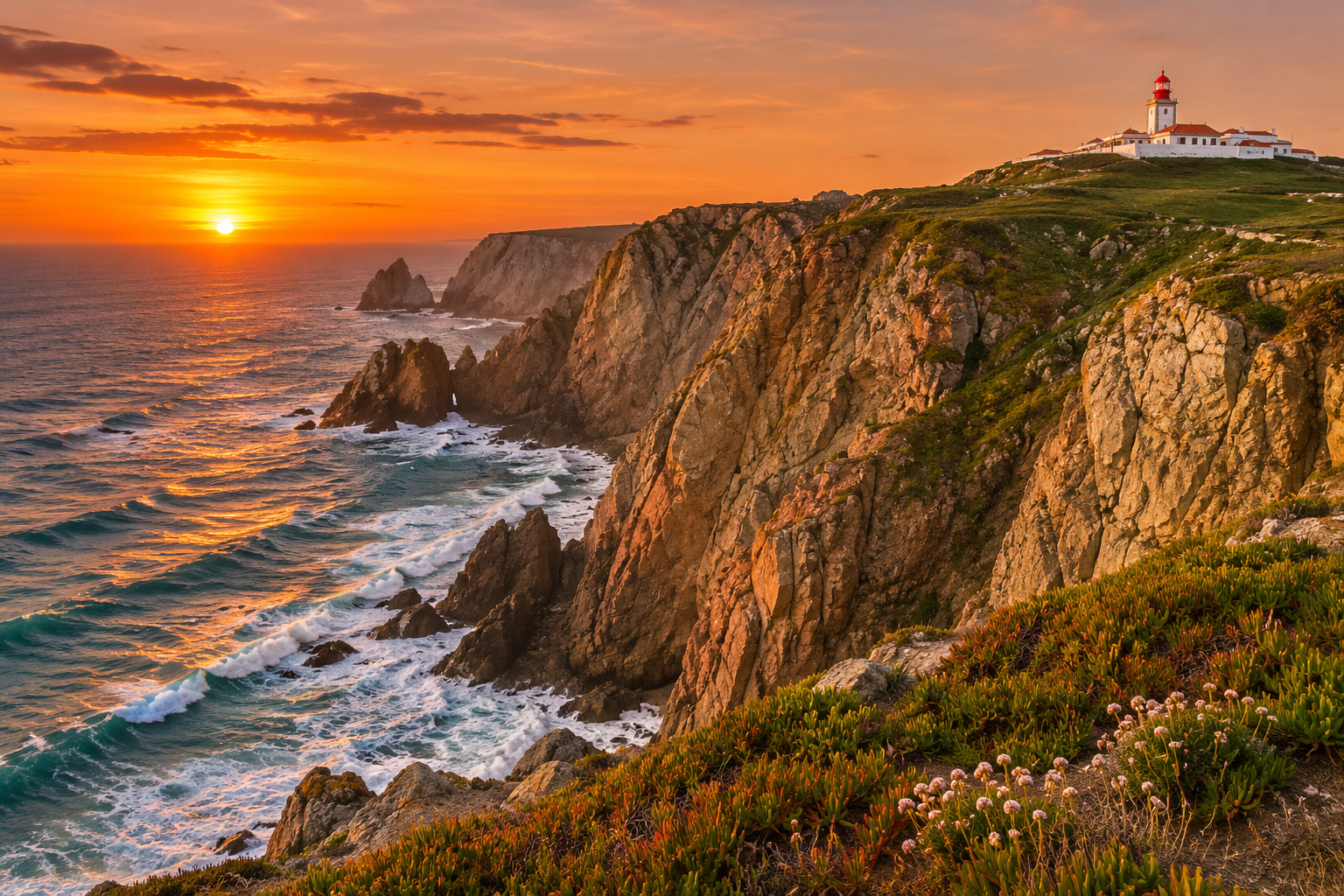
If you have time, go on from Sintra to Cabo da Roca. This is the westernmost point of continental Europe. A sunset watched in the wind, on cliffs plunging into the Atlantic, makes the most beautiful ending to the journey. The wind is strong; don't forget a warm coat and a scarf.
THE ZARİF YAŞAM ROUTE · 3 NIGHTS, 4 DAYS
– Day 1: Chiado, Baixa, Praça do Comércio · a miradouro in the late afternoon
– Day 2: Alfama, São Jorge Castle, the tram · fado in the evening
– Day 3: Belém, Jerónimos Monastery, pastel de nata · the riverside · dinner in Príncipe Real
– Day 4: Sintra: Pena Palace, Quinta da Regaleira, Moorish Castle · sunset at Cabo da Roca
THE NOVEMBER SUITCASE
The layering rules in this issue's Fashion & Style section apply to Lisbon too:
– A light wool coat or a trench coat
– Fine cashmere sweaters
– A large shawl for wind and mist
– Comfortable leather boots or loafers with non-slip soles
– A folding umbrella
– An elegant but simple dress or a silk blouse for the fado evening
PRACTICAL NOTES
– With Lisbon's public transport card you can use the metro, trams, buses and the Sintra train.
– Lisbon is a hilly city; when planning your walks, take into account the historic lifts and funiculars that climb the hills.
– In Sintra the slopes between the palaces are steep; buses or taxis from the town centre to the palaces save time.
– Opening hours and ticket prices of museums and palaces may change; check their official websites before you go.
ZARİF TRAVEL NOTE
Lisbon is a city that teaches you not to hurry: waiting for the sun to set at a viewpoint, listening silently to a fado song, walking down a hill with a warm chestnut in your hand… Sintra reminds us that fairy tales still exist. In November's cool light, these two places turn a journey from a rush into a memory.