ZARİF ENERGY
The Quiet Symbols of Abundance
Plenty and belonging; through meaningful objects at home, family heirlooms and small rituals.
When we enter some homes, we feel a fullness that has nothing to do with the number or value of the things inside. A pomegranate hanging in the kitchen, a tea set carefully kept in the cabinet, a bundle of wheat above the door… These objects quietly tell us: a life has been lived, shared and cherished here.
In our culture and in many traditions around the world, abundance is not only material wealth; it is knowing when we have enough, sharing, and a sense of belonging. This month we look at these quiet symbols in the home: what we keep and why, and how we keep them alive.
The language of symbols
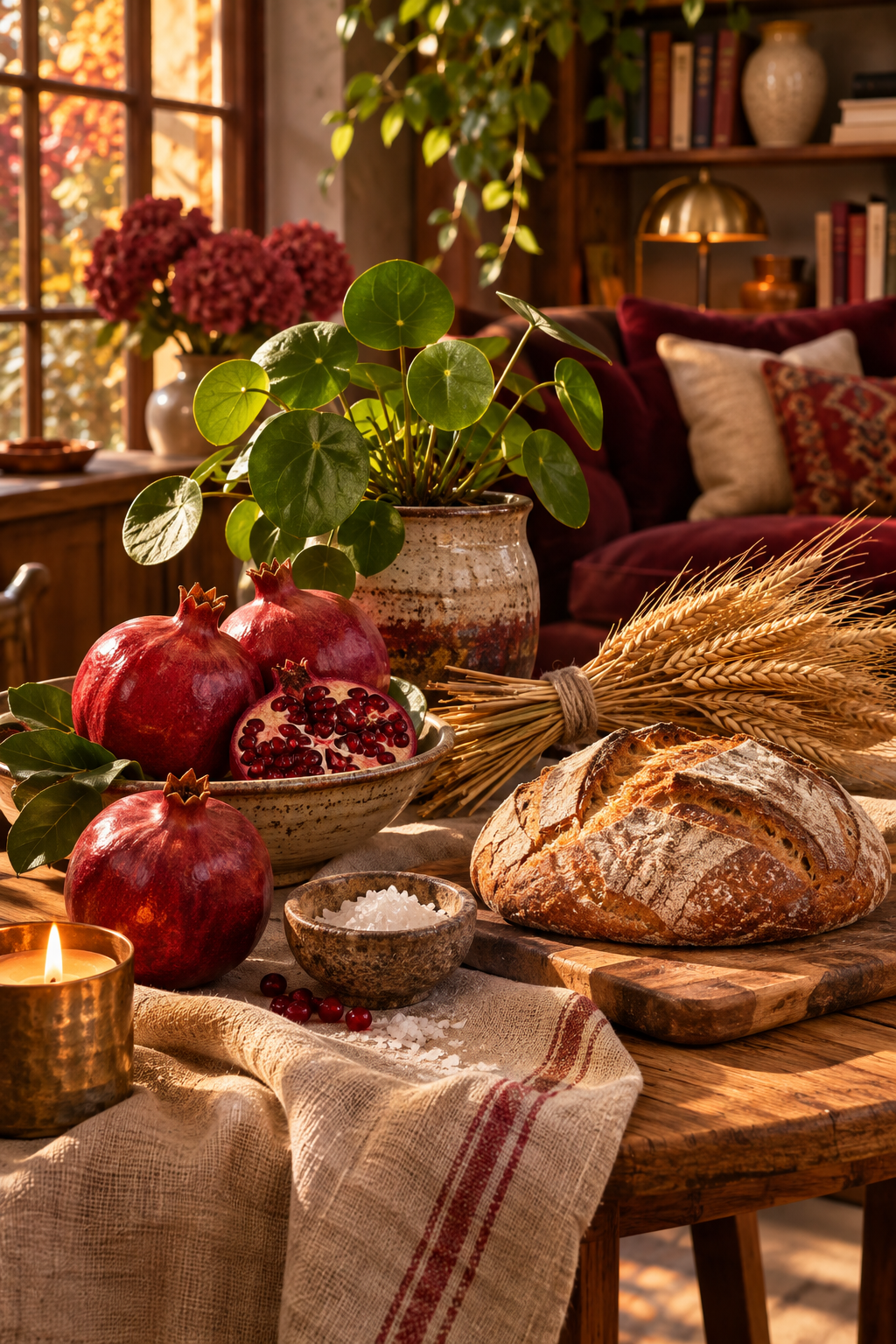
Many cultures have expressed abundance through symbols drawn from nature. We are not saying these symbols bring anything into our homes by themselves; what matters to us is what they remind us of.
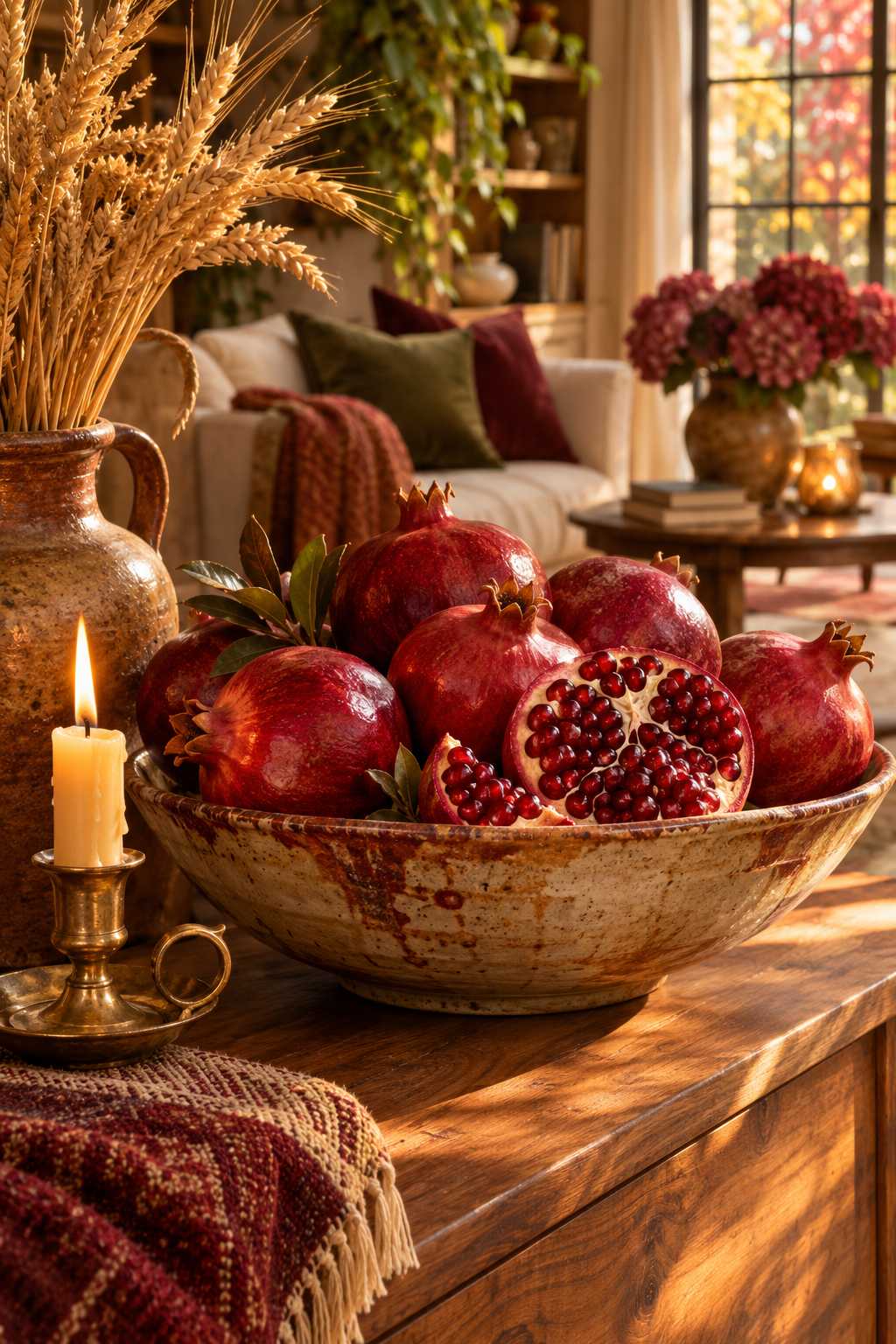
– Pomegranate: with its many seeds, it is regarded as a symbol of plenty, unity and sharing. In Anatolia, entering a new home with a pomegranate is an old tradition.
– Ear of wheat: it speaks of labour rewarded and of a table that endures. A dried bundle of wheat makes a simple decoration in the kitchen or the entryway. In Feng Shui dried flowers are seen as stagnant energy; in Anatolian tradition, however, the ear of wheat is not a faded flower but the symbol of a completed harvest.
– Salt and bread: the Turkish expression "the right of salt and bread" describes the bond created by a shared table. Visiting a new home with bread and salt is one of the oldest forms of good wishes.
– Flowing water and green plants: in many traditions they are associated with continuity and growth.
Keep a sense of measure when you use these symbols at home. A bowl of pomegranates, a bundle of wheat or a healthy plant is enough; their meaning lies in care, not in quantity.
Family heirlooms: things with a story
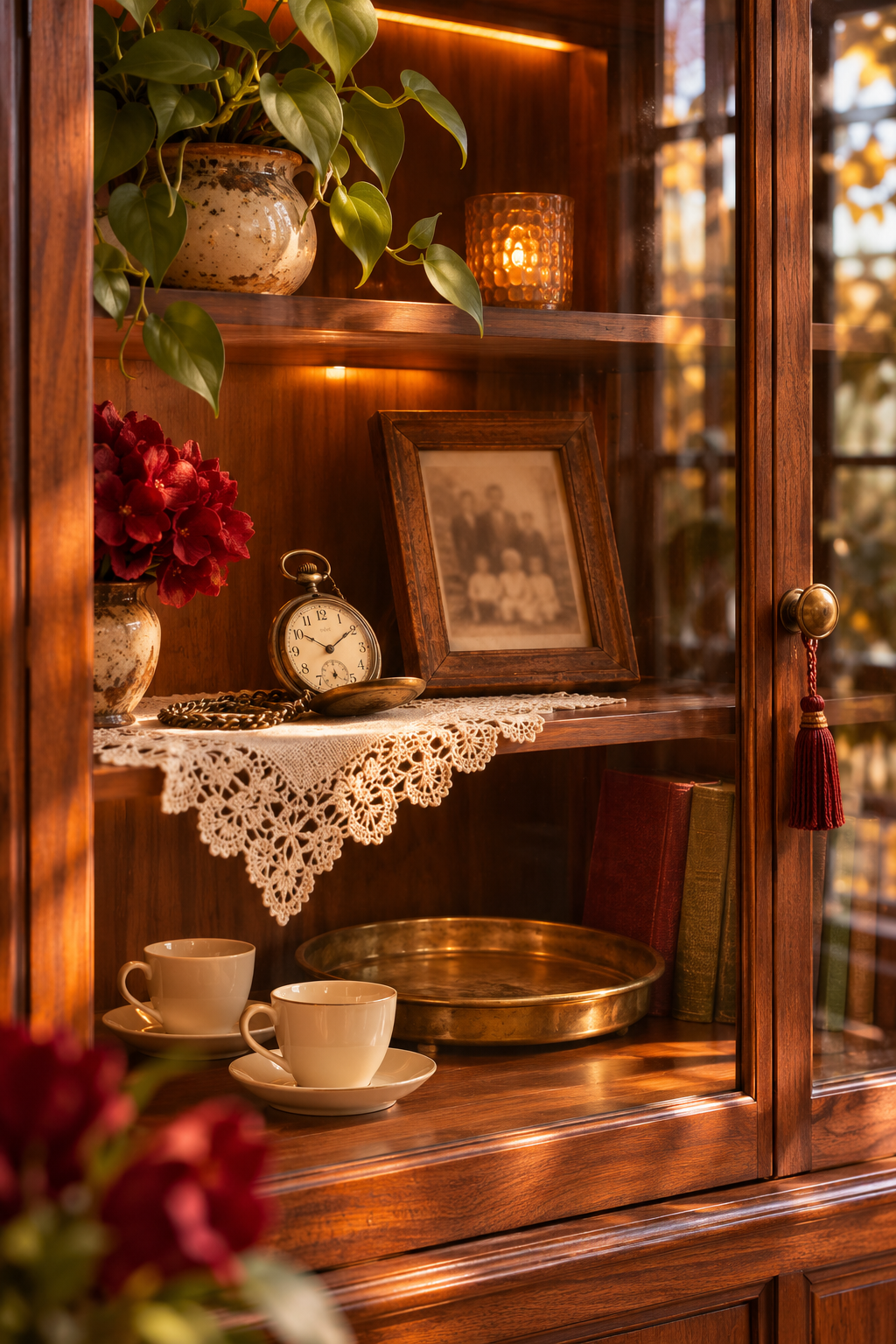
A lace cloth from a grandmother, a watch from a father, a silver tray given as a wedding gift… Heirlooms connect the home with its past. But when they are forgotten at the back of a cupboard, that connection falls silent too.
– Use your heirlooms: a cloth brought out for a holiday table or a cup offered to a guest brings the object back into life.
– Tell its story: tell your children and grandchildren whom an object came from and where it was used. You can tuck a note inside its box on a small card.
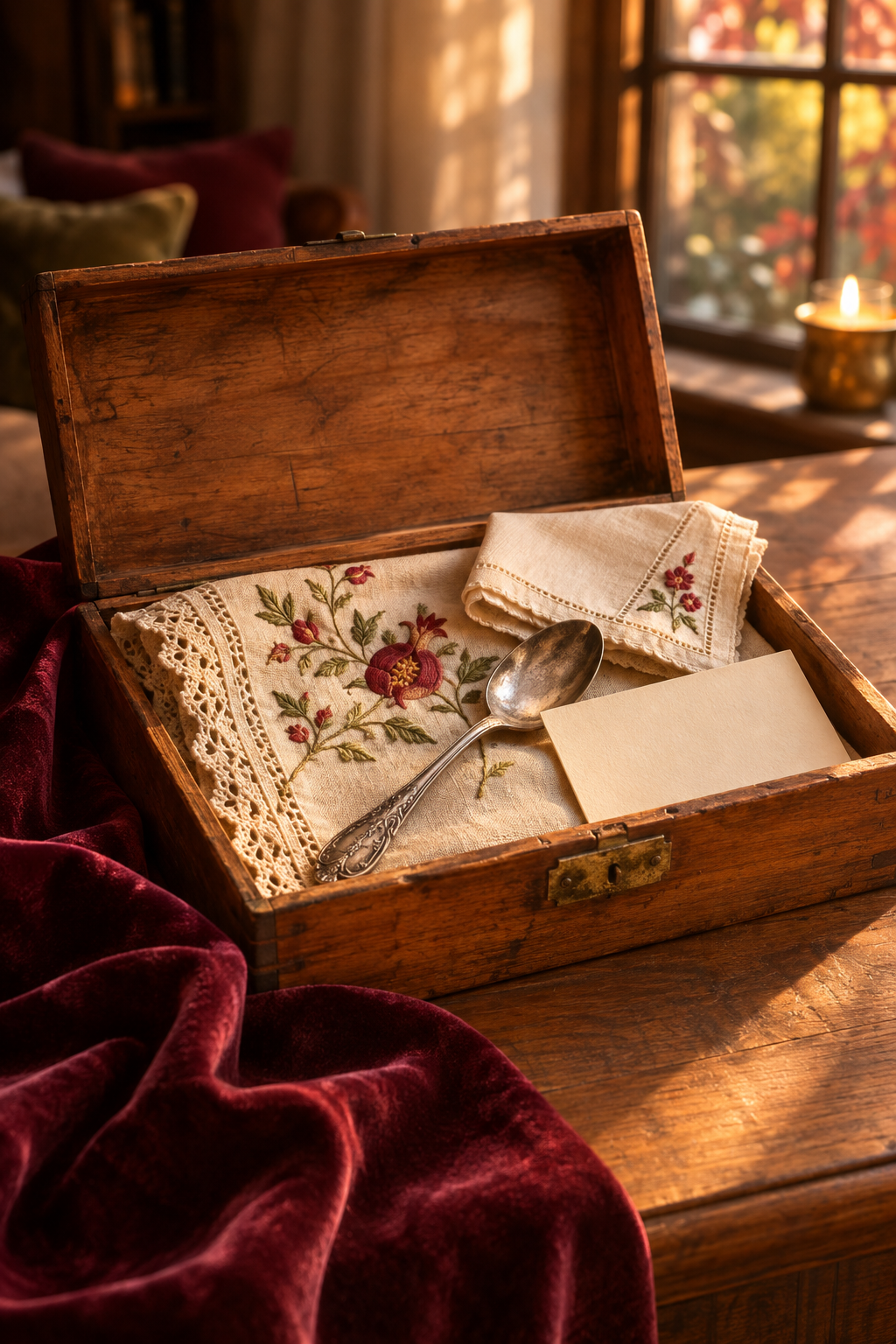
– Keep selectively: we do not have to keep everything. Hold on to the pieces that make you feel good and truly carry a story; passing the others on to someone who will love them is also a form of respect.
– Make them visible: a few pieces displayed on a cabinet shelf, in a corner of a wall or on a console bring the home's memory to light.
Abundance at the table
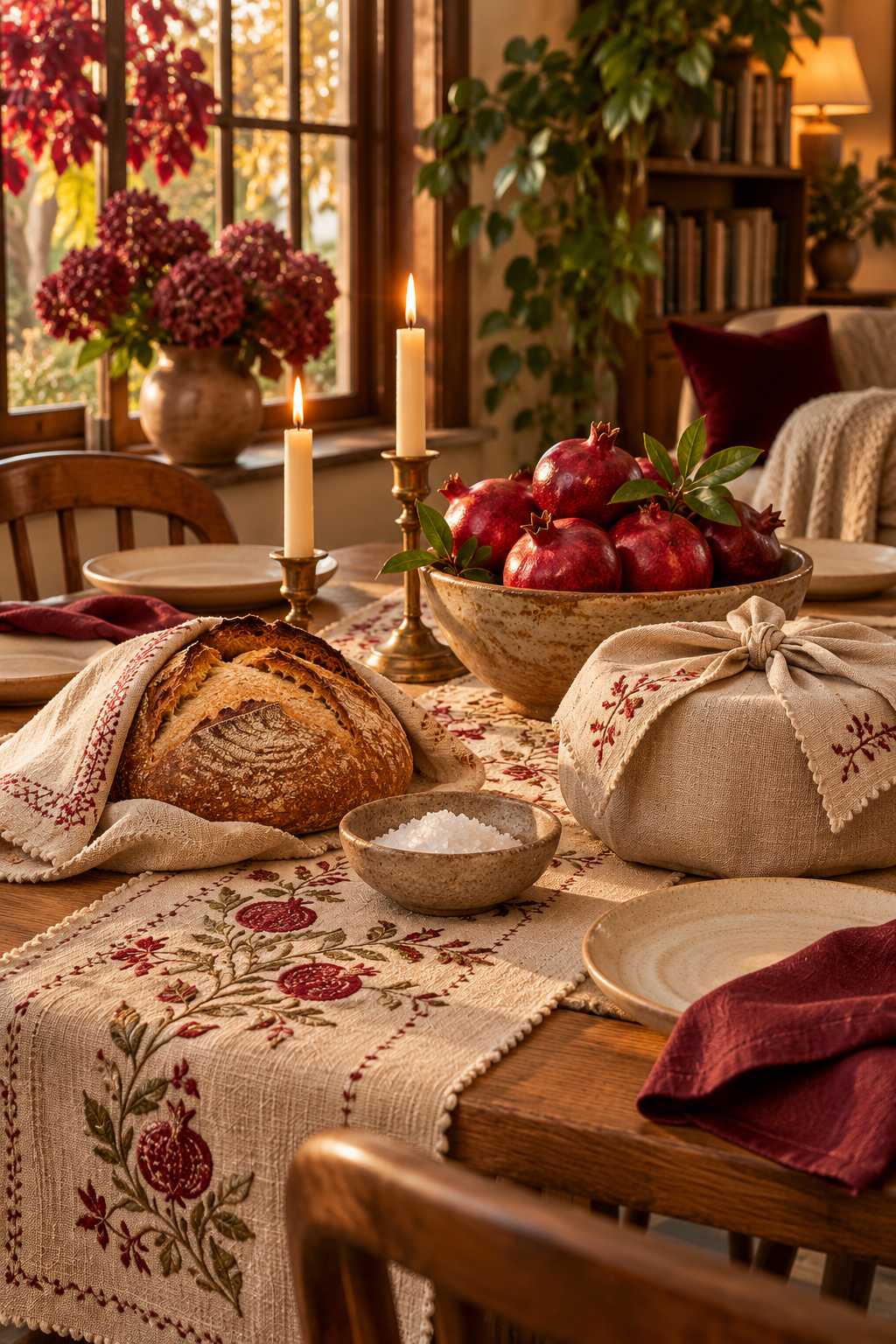
The feeling of abundance at home is felt most at the table. A few small habits strengthen it:
– Never leave bread and salt off the table; let them be the first things set out when you lay it.
– Set aside a share of the food: a plate for a neighbour, something to offer a guest, sharing with those in need…
– Keep the pantry and kitchen cupboards in order; food used before it spoils is the reward of labour not wasted.
The small rituals of belonging
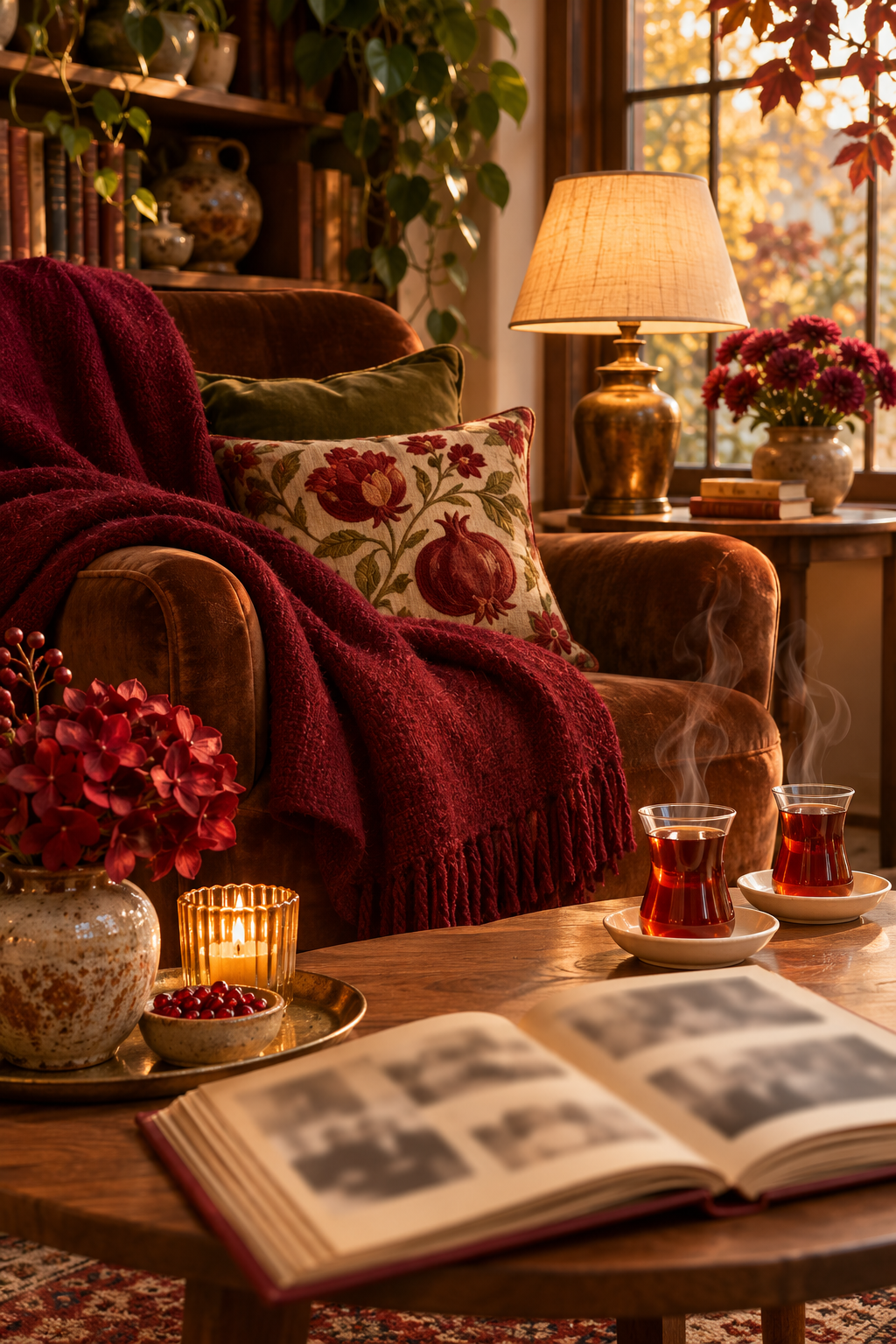
Belonging grows stronger through small moments repeated at home:
– Gathering as a family around the same table on the same evening each week.
– Preparing the home together when the seasons change: changing the curtains, bringing out the winter covers.
– Choosing together where a new object will belong when you bring it home.
– Opening a family photo album together once a year.
These rituals need no special preparation. Their value comes from reminding the household of a sense of "us" each time they are repeated.
The place of abundance in the home in Feng Shui
Feng Shui is an ancient Chinese tradition which holds that each corner of the home is linked to an area of our life. In our October issue we looked at the door, mirrors and the bedroom. This month we look at this tradition's suggestions about abundance.
The abundance corner
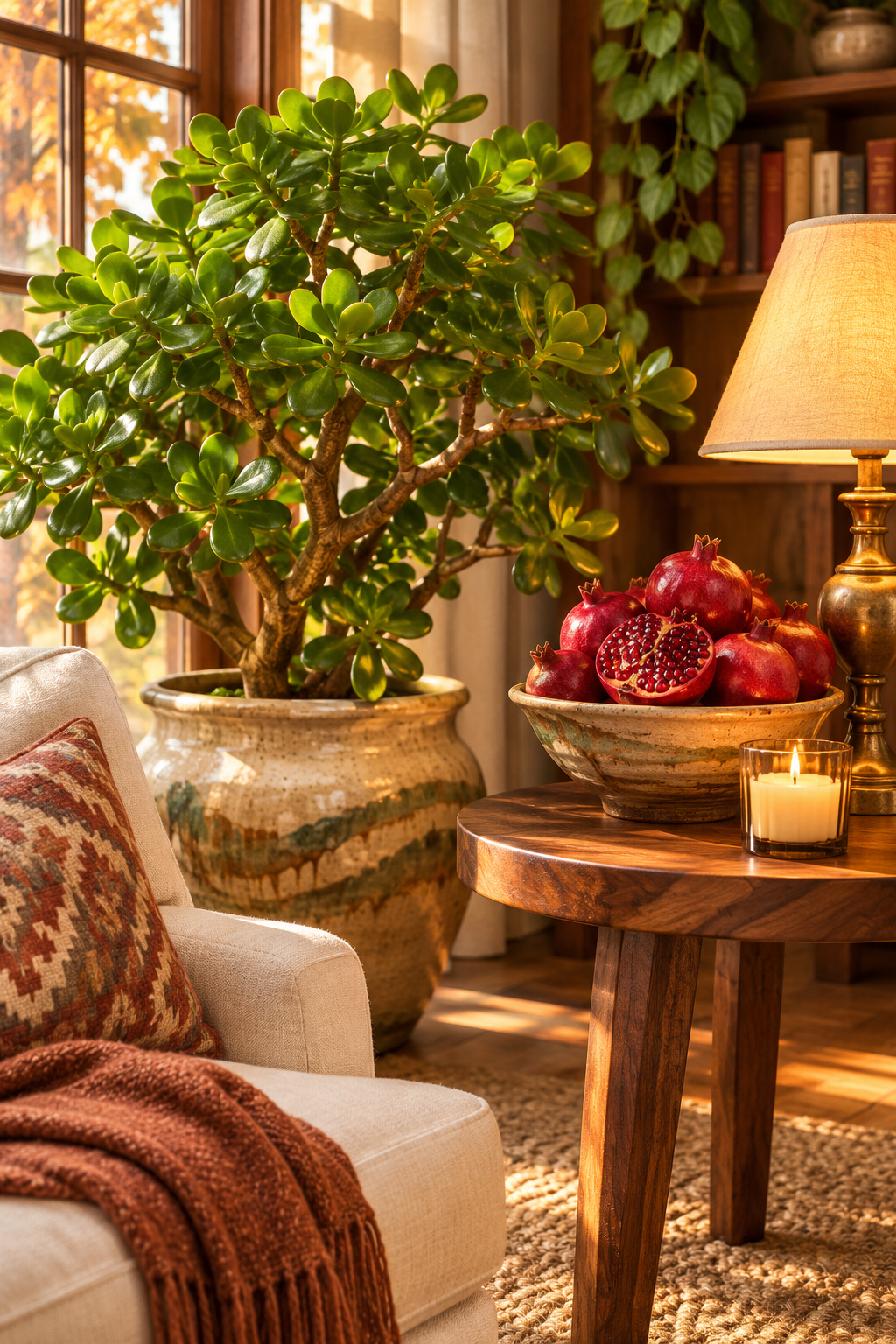
In Feng Shui, the south-east corner of the home, or of a single room, is regarded as the area of plenty and prosperity. It is recommended not to leave this corner empty, dark or cluttered.
– Place a lively, healthy plant: a money tree, a jade plant or plants with round leaves symbolise growth and continuity.
– Set out a full bowl: a bowl of pomegranates or seasonal fruit is the simplest expression of plenty.
– Do not let it lack light: a small lamp or candle keeps the corner alive in the evening too.
– Replace a dried or wilted plant without delay.
The kitchen: the heart of the home
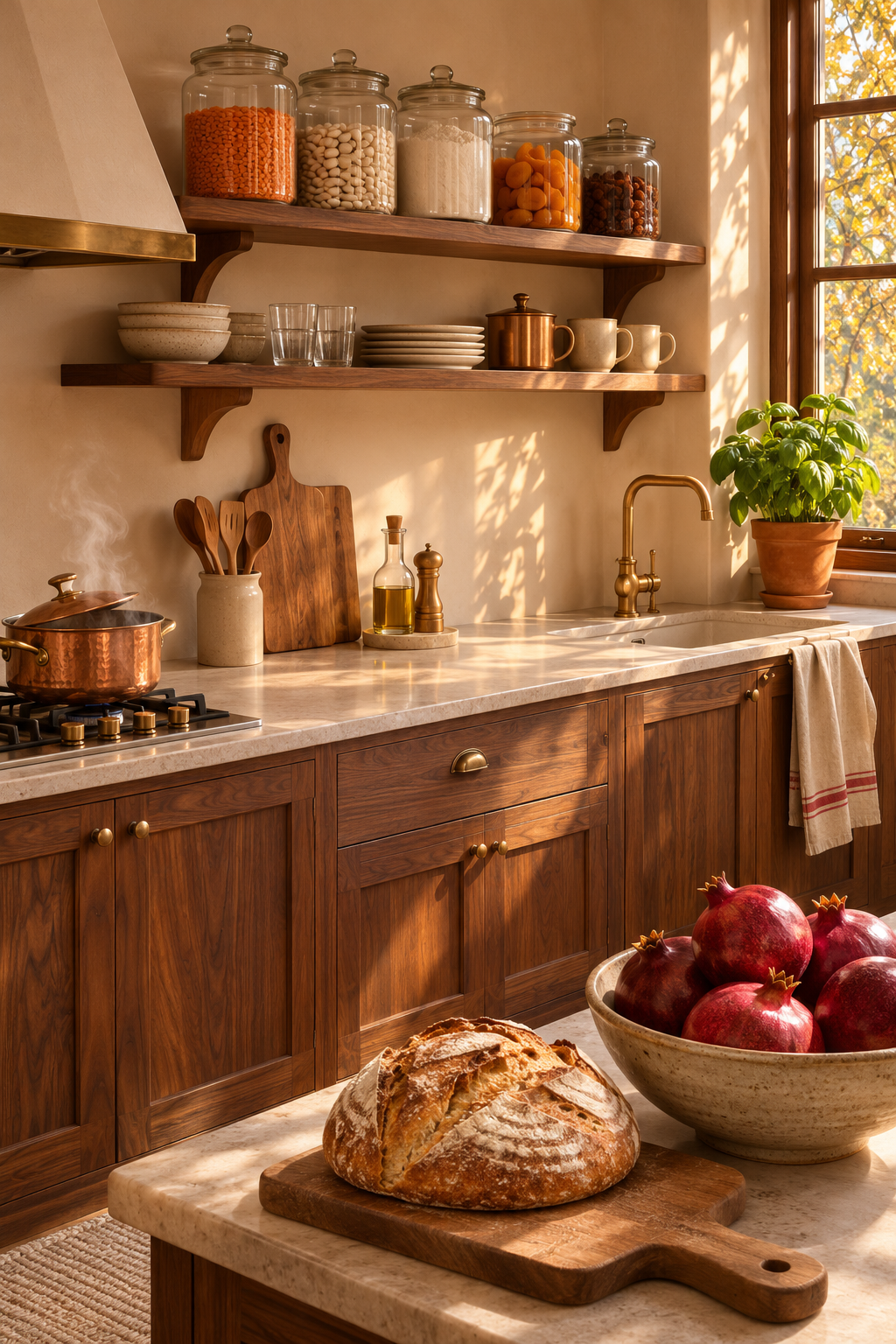
In Feng Shui, the stove represents the nourishment and abundance of the household. Care given to the kitchen is seen as care given to the people who live there.
– Keep the stove clean and in use; using all the burners in turn symbolises that abundance does not stay in one place.
– It is recommended that the stove and the sink do not face each other directly: the fire and water elements clash. A wooden chopping board or a green plant between them restores balance.
– Keep the pantry and cupboards full and in order; do not keep spoiled or expired food.
– A bowl of fruit or a fresh loaf of bread on the counter brings warmth to the kitchen.
Light in winter
In November the days grow short and evenings darken early. In Feng Shui, dark corners are seen as places where energy stagnates. Placing a warm-toned lamp in the darkest corners of the home and leaving a small light on in the entrance and hallway in the evening makes the home more inviting both to the eye and to the heart.
What a home should have
– Lively, healthy plants
– A full bowl of fruit
– Corners that are well lit in the evening
– A tidy pantry and a clean stove
– Objects with a story, used with love
What a home should not have
– Broken or cracked objects, or things waiting to be repaired
– Wilted plants and dried flowers
– Stopped clocks
– Things piled behind doors and on top of cupboards
– Unused gifts that weigh on you
Excess and abundance at home
Abundance and accumulation are not the same thing. Full cupboards often mean not plenty but undecided belongings. Like the order quiz in our October issue, look around your home from time to time: which things add to your life, and which only take up space? When you make room, the pieces you value become more visible.
THREE SMALL RITUALS FOR NOVEMBER
– Place a bowl of pomegranates in the kitchen or on the table, and open the first one by sharing it.
– Take an heirloom out of the cupboard and use it this month; tell its story at the table.
– Before winter begins, share something with someone who needs it.
Note: The symbols and Feng Shui suggestions in this article are presented in their cultural and traditional meanings; they promise no material or spiritual outcome.
ZARİF ENERGY NOTE
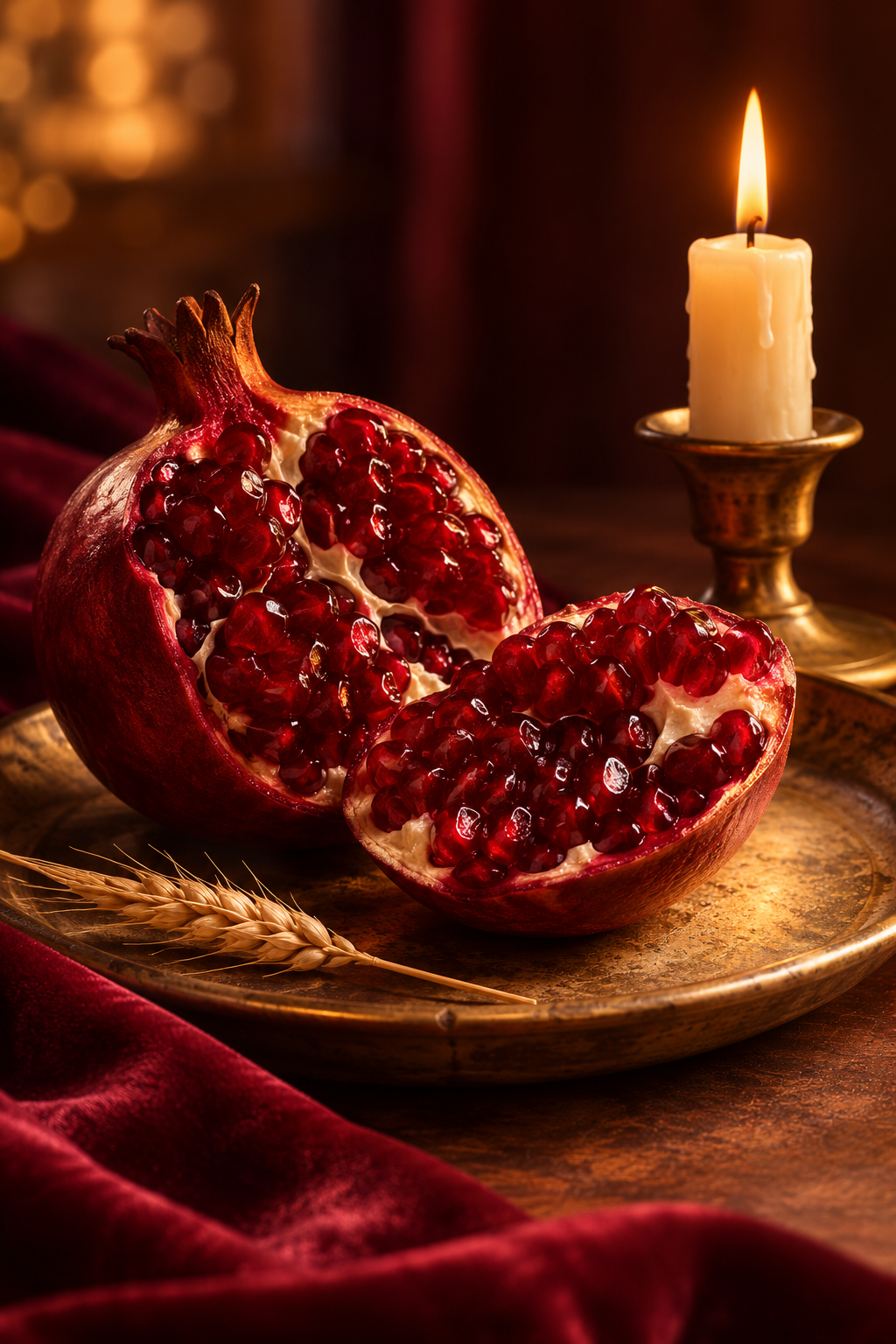
The abundance of a home lies not in how many things it holds, but in shared tables, remembered stories and small habits kept with care. This November, look again at the quiet symbols in your home: they remind you where you come from and what you wish to protect.